In today’s world, more and more people are looking for ways to live a more sustainable lifestyle. From recycling to reducing energy consumption, people are making changes to their homes and lifestyles. One area that is often overlooked when it comes to sustainability is plumbing. However, there are many eco-friendly plumbing upgrades that you can do for Green plumbing is not a special type of plumbing system. It means reducing unnecessary water use, lowering the energy required to produce hot water and choosing durable fixtures that do not need frequent replacement.
For most Toronto homeowners, the best place to start is not an expensive renovation. Check for hidden leaks, repair running toilets, install efficient fixtures and review how the home heats and distributes hot water. Rainwater collection and larger mechanical upgrades may help, but they need to suit the property and comply with local requirements.
What are the best green plumbing upgrades?
The most practical eco-friendly plumbing improvements for a Toronto home are:
- Hire a licensed plumber in Toronto to find and repair leaks.
- Replace worn toilet flappers and fill valves.
- Install efficient showerheads and faucet aerators.
- Choose a high-efficiency toilet when replacement is necessary.
- Reduce the distance hot water travels to frequently used fixtures.
- Insulate accessible hot-water pipes where appropriate.
- Select a water heater based on household demand, fuel source and installation conditions.
- Use collected rainwater only for suitable non-potable purposes.
- Repair serviceable fixtures instead of replacing them unnecessarily.
- Monitor water consumption for unexplained changes.
A good upgrade should save water or energy without causing weak flow, poor flushing, longer wait times or reliability problems.
Which upgrades should you do first?
| Plumbing improvement | Typical priority | Main benefit | Professional help |
|---|---|---|---|
| Repair an active leak | Immediate | Stops continuous water loss and property damage | Often recommended |
| Repair a running toilet | High | Prevents unnoticed water consumption | DIY or plumber |
| Install faucet aerators | High | Reduces flow at suitable faucets | Usually DIY |
| Replace an inefficient showerhead | High | Reduces water and hot-water use | Usually DIY |
| Install a high-efficiency toilet | Medium | Uses less water per flush | Recommended |
| Insulate accessible hot-water pipes | Medium | Reduces heat loss and waiting time | Depends on access |
| Replace a working water heater | Evaluate first | May reduce energy use | Required |
| Add a rain barrel | Property-specific | Reduces treated water used outdoors | Usually DIY |
| Install a greywater system | Specialized | Reuses water for approved purposes | Professional design required |
The right order matters. Replacing a functioning faucet while a toilet runs continuously will not produce much of a result.
Start by checking for hidden water loss
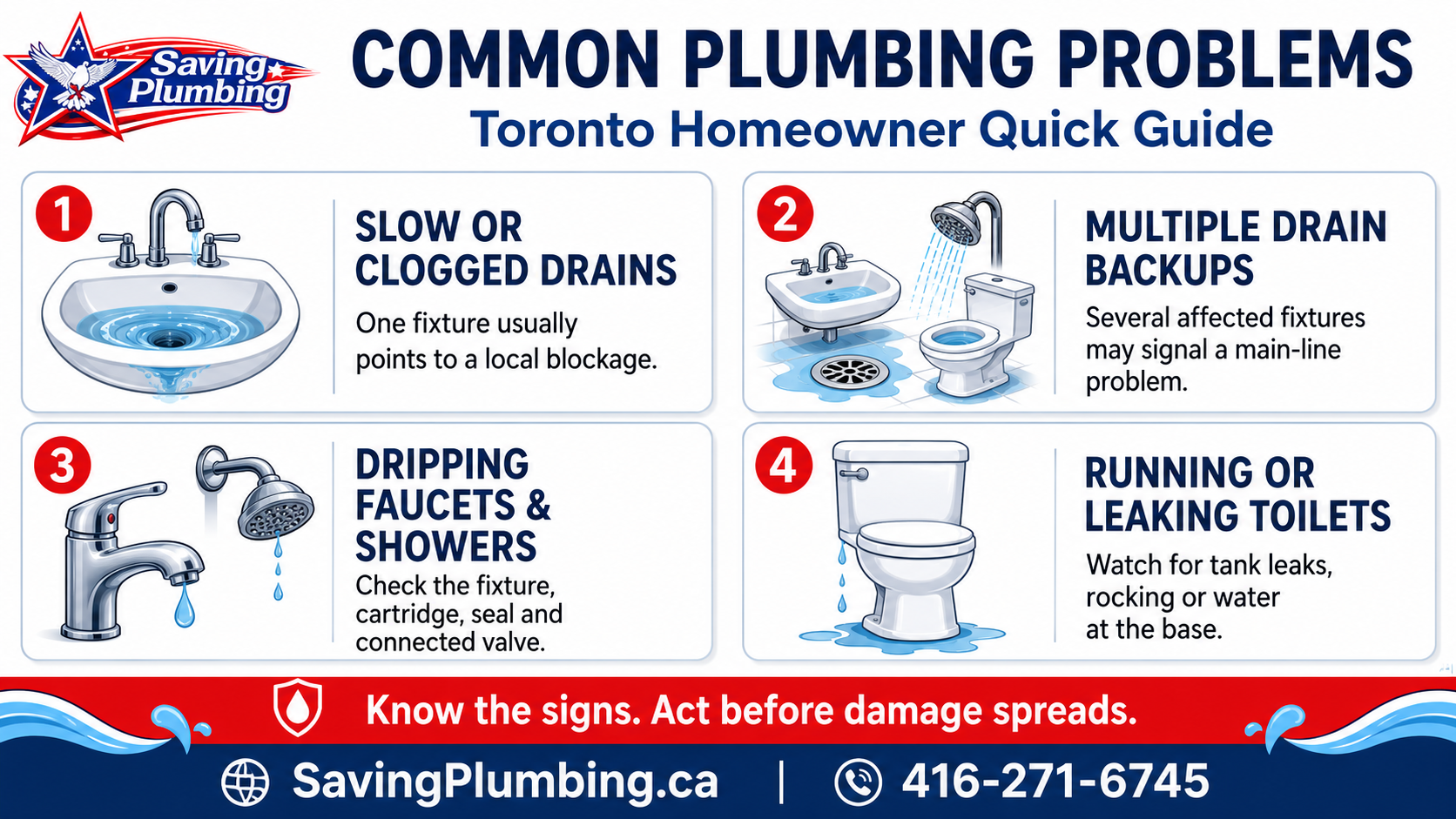
A plumbing system can waste water without producing an obvious puddle. Common causes include:
- A toilet flapper that no longer seals
- A fill valve that keeps sending water into the overflow tube
- A dripping shower cartridge
- A leaking outdoor hose bib
- A concealed supply-pipe leak
- A faulty pressure-reducing valve
- An irrigation connection that continues running
- A water heater relief or drain valve that is leaking
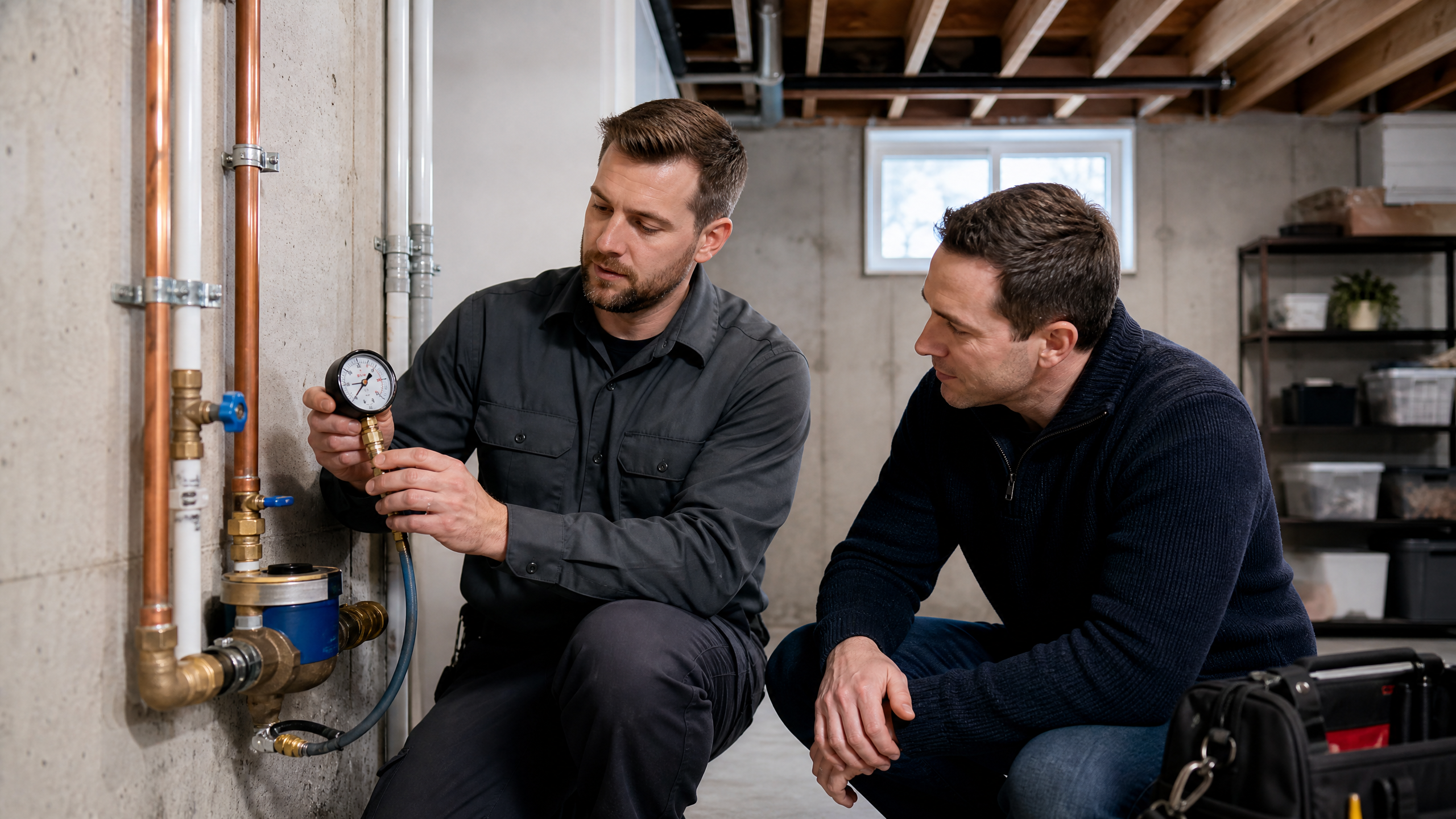
Toronto homeowners can check the water meter after turning off faucets, appliances, irrigation and every other known water user. If the meter’s leak indicator continues moving, water may still be passing through the system. The City provides instructions for using a water meter to check for possible leaks.
You can also review daily, weekly and monthly consumption through MyWaterToronto. An unexplained overnight pattern or sudden increase can help identify a problem, although consumption data does not reveal where the leak is located.
Water-meter transmission issues can affect the availability of current online readings. When the account data appears incomplete, inspect the physical meter or follow the City’s instructions for submitting a reading.
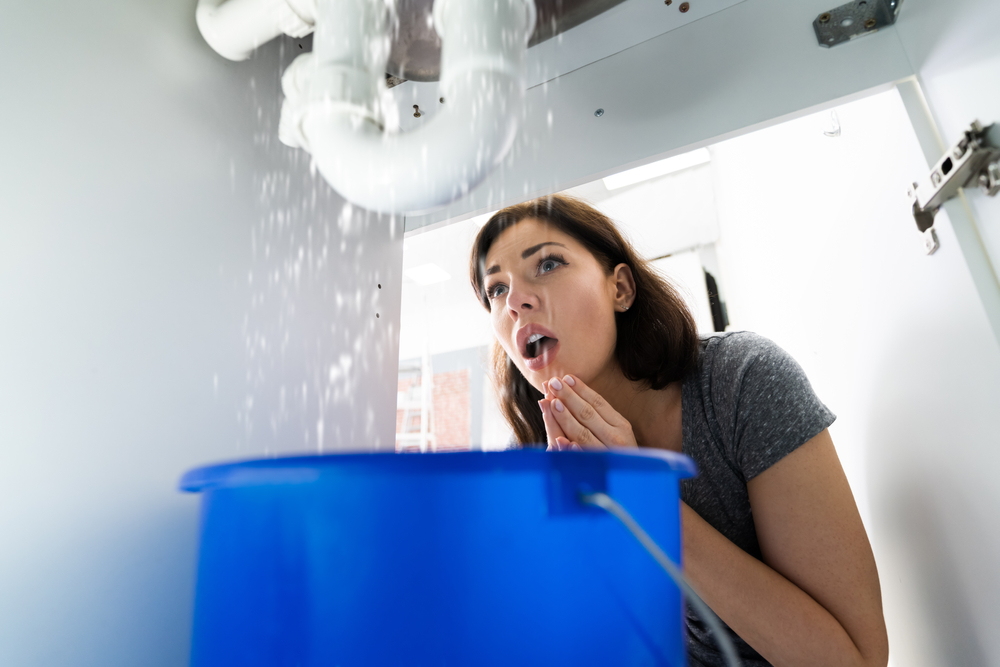
A leak is not always an emergency
A slowly dripping faucet normally needs a scheduled repair. Water entering a wall, ceiling or floor requires faster attention. Shut off the affected fixture when possible.
Use the main water shutoff and request urgent help when:
- Water is escaping from a broken supply pipe
- A local fixture valve will not stop the flow
- Water is approaching electrical equipment
- A ceiling is sagging or filling with water
- The main shutoff does not operate
- The leak is causing rapid property damage
If the source is concealed, professional leak detection in Toronto can help locate the problem before unnecessary walls or floors are opened.
Repair a running toilet before replacing the whole fixture
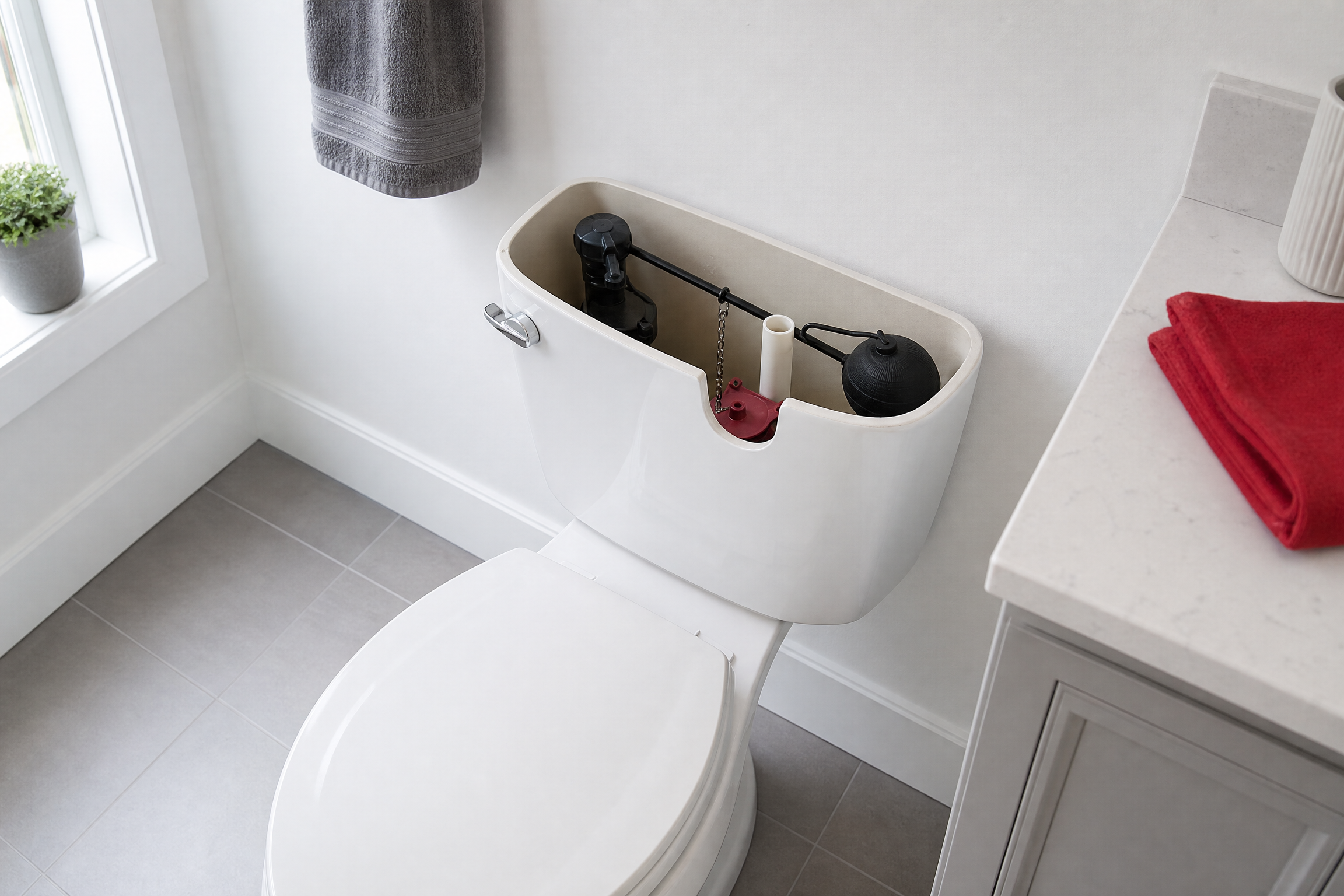
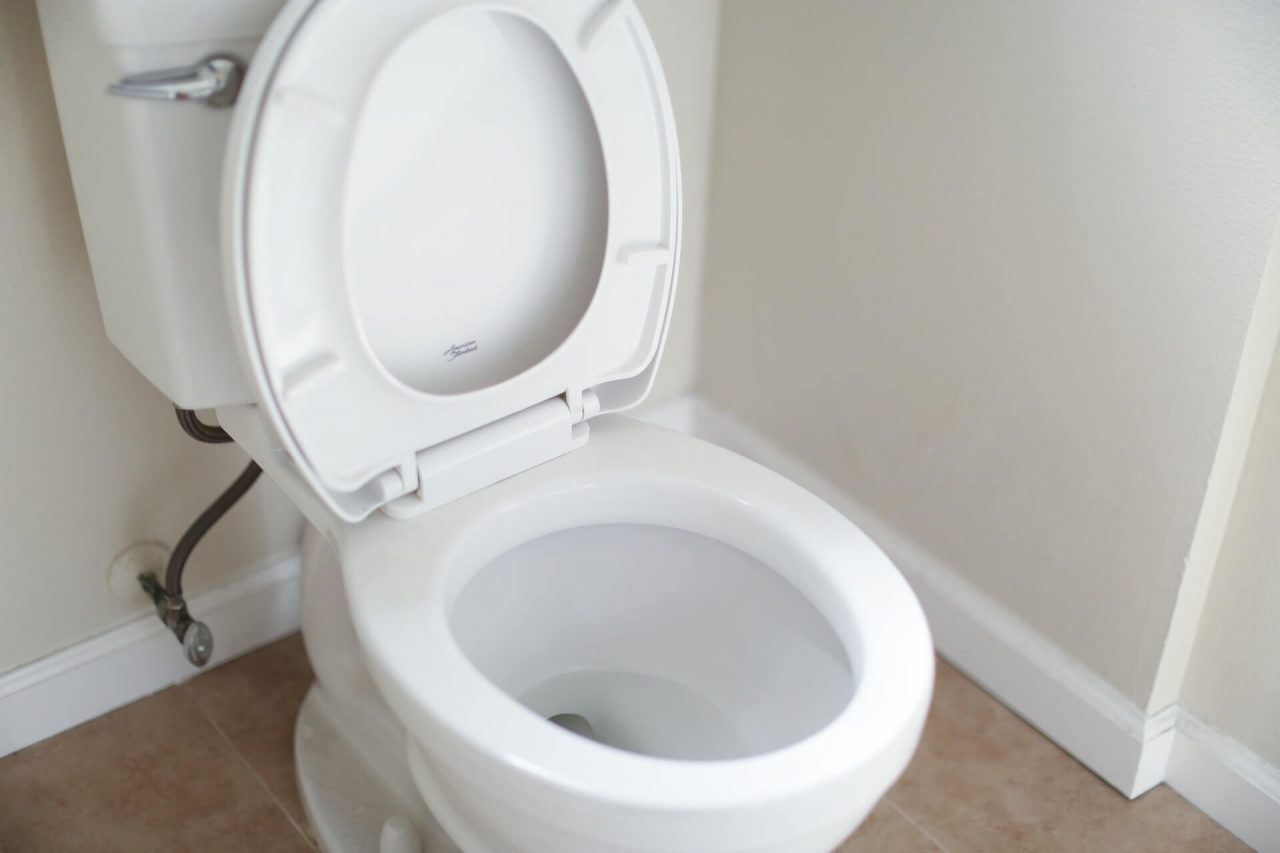
A toilet that refills by itself, makes intermittent hissing sounds or sends water into the overflow tube may be wasting water continuously. The problem is frequently inside the tank rather than in the porcelain fixture.
The likely repair depends on what is happening:
- Water enters the bowl between flushes: inspect the flapper or flush-valve seal.
- Water flows into the overflow tube: adjust or replace the fill valve.
- The handle sticks: check the handle, chain and flapper alignment.
- The toilet rocks or leaks at the floor: stop using it until the flange and seal are inspected.
- The bowl needs repeated flushing: investigate the fixture, drain and venting before assuming a low-flow design is responsible.
Replacing a flapper or fill valve usually creates less waste than discarding a serviceable toilet. Replacement makes more sense when the porcelain is cracked, the fixture clogs repeatedly despite a clear drain, repair parts are unavailable or the toilet uses considerably more water than a modern model.
Choose efficient fixtures by performance, not the “low-flow” label
Water-efficient fixtures are only useful when they perform properly. A poor toilet that needs two flushes or a showerhead that encourages longer showers may erase the expected savings.
Look for independently tested products with published flow or flush ratings. The WaterSense label is an American efficiency program, but labelled toilets, faucets and showerheads are widely sold in Canada. The label indicates that an eligible product has been tested for water efficiency and performance.
Before buying a replacement, check:
- The fixture’s litres-per-minute or litres-per-flush rating
- Compatibility with the existing plumbing
- Available household water pressure
- Replacement-cartridge and repair-part availability
- Toilet bowl shape and rough-in dimensions
- Whether an efficient aerator is already installed
- Whether the existing fixture can be repaired
Faucet aerators
An aerator mixes air with the water stream and limits flow. It is one of the least expensive plumbing efficiency improvements, particularly for bathroom handwashing faucets.
A very restrictive aerator is not suitable everywhere. Kitchen faucets used to fill large pots may need a higher flow rate, while utility sinks and fixtures serving specialized equipment may have different requirements.
Remove and clean an aerator if flow has declined. Mineral deposits or debris can make an efficient faucet feel defective even when the water pressure is normal.
Water-efficient showerheads
A showerhead affects both water consumption and water-heating demand. Replacing an inefficient model can therefore reduce two utility costs at once.
Select a model designed to maintain a comfortable spray at its rated flow. If every fixture in the home has weak flow, investigate the building’s water pressure, valves or piping before blaming the showerhead.
Hot-water efficiency starts before the water heater
Replacing a water heater is not always the first or best efficiency upgrade. Hot water can also be wasted through long pipe runs, dripping fixtures, poor temperature control and habits that send heated water directly down the drain.
Start with the distribution system:
- Repair hot-water leaks and dripping shower valves.
- Insulate accessible hot-water pipes where appropriate.
- Keep pipe routes short during a renovation.
- Avoid oversized hot-water pipes that increase waiting time.
- Install efficient showerheads and faucet aerators.
- Correct crossover problems caused by defective mixing valves.
- Set the water-heater temperature according to the manufacturer’s instructions and applicable safety requirements.
Pipe insulation can reduce heat loss after the water leaves the tank. It may also shorten the wait for hot water at fixtures used several times throughout the day. Insulation must not cover controls, vents, valves or other components that the manufacturer requires to remain accessible.
When hot water takes an unusually long time to arrive, the cause may be the distance between the heater and fixture. A larger water heater will not correct a long distribution path.
Tankless, storage-tank or heat-pump water heater?
No water-heating system is the most sustainable choice for every Toronto home. Household demand, fuel source, electrical capacity, venting, available space and incoming water temperature all affect the result.
| Water-heater type | Strongest advantage | Important limitation | Best evaluated when |
|---|---|---|---|
| Conventional storage tank | Familiar design and straightforward replacement | Stored water loses heat between uses | The existing tank needs replacement |
| Tankless water heater | Avoids storage losses and supplies hot water on demand | May require gas, venting or electrical upgrades | Space is limited or demand patterns suit on-demand heating |
| Heat-pump water heater | Uses electricity efficiently by moving heat into the tank | Needs suitable space and operating conditions | Electrification and energy reduction are priorities |
| Condensing gas water heater | Captures more heat from combustion gases | Requires suitable drainage and venting | Gas remains the selected fuel |
| Point-of-use heater | Reduces long waits at a distant fixture | Adds equipment and electrical demand | One remote fixture causes recurring waste |
When a tankless water heater makes sense
A tankless unit heats water as it passes through the appliance. It does not maintain a full tank of hot water throughout the day, so it can reduce standby losses.
That does not guarantee lower bills for every household. The result depends on:
- How much hot water the household uses
- The temperature of the incoming water
- Whether several fixtures run at once
- The unit’s minimum and maximum flow rates
- Gas-line or electrical capacity
- Venting requirements
- Maintenance needs
- Fuel and electricity prices
- The efficiency of the model being replaced
Toronto’s cold winter inlet water also matters. The heater must raise colder water to the desired outlet temperature, which can reduce the flow rate available from a tankless unit. Equipment should be sized by the required temperature rise and simultaneous demand, not by the number of bathrooms alone.
When a heat-pump water heater deserves consideration
A heat-pump water heater transfers heat from the surrounding air into stored water. Natural Resources Canada reports that an ENERGY STAR-certified heat-pump water heater can use substantially less electricity than a conventional electric resistance model.
Installation conditions determine whether it is practical. A heat-pump unit needs:
- Adequate air volume or suitable ducting
- Condensate drainage
- Sufficient ceiling height
- Electrical capacity
- Space around the appliance
- A location where operating noise is acceptable
- Consideration of the heat removed from the surrounding room
A cramped closet may not provide the air the unit requires. In a conditioned basement, the system also draws heat from the room. That interaction should be considered alongside the home’s heating system and seasonal conditions.
Ontario’s current Home Renovation Savings program lists qualifying heat-pump water heaters among its eligible upgrades. Eligibility, assessment requirements and incentive amounts can change, so homeowners should verify the current terms before purchasing equipment.
Do not replace a working heater based on fuel savings alone
Manufacturing, transporting and disposing of equipment also consume resources. Keeping a safe, efficient and repairable water heater in service may be more sensible than replacing it early.
A professional assessment is worthwhile when the unit:
- Leaks from the tank body
- Produces rusty or discoloured hot water
- Cannot meet normal household demand
- Makes persistent rumbling or popping sounds
- Needs increasingly frequent repairs
- Has damaged venting or combustion components
- No longer operates efficiently
- Is approaching the end of its expected service life
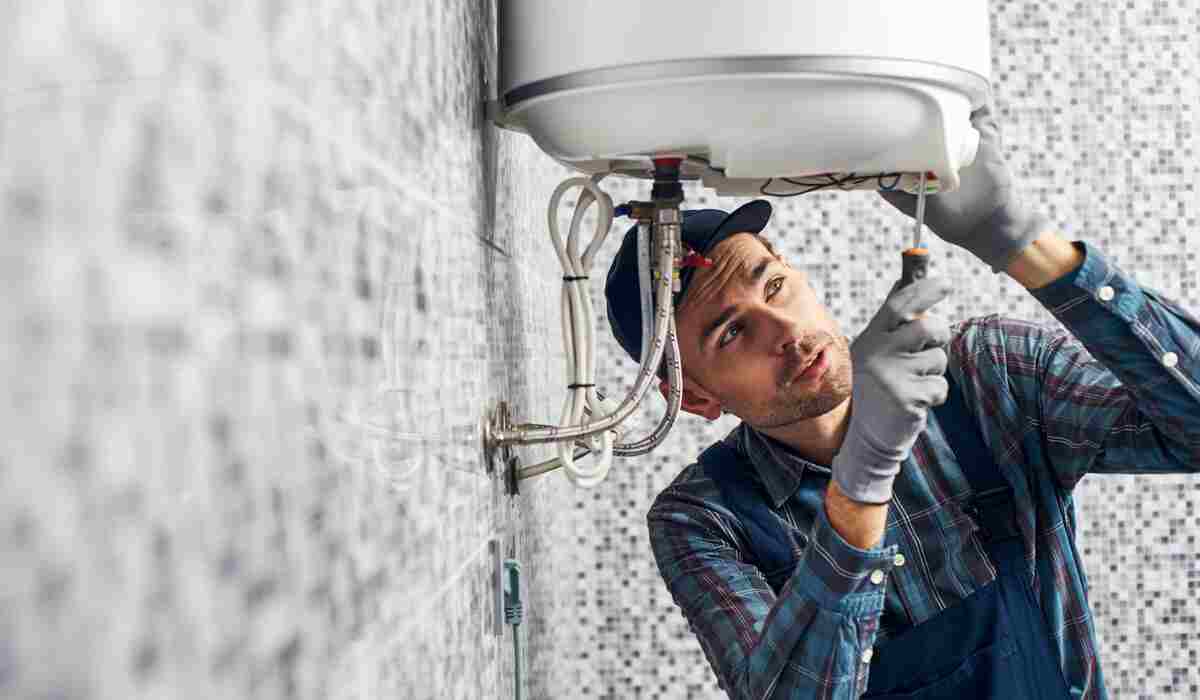
Saving Plumbing provides water-heater repair in Toronto when the fault may be serviceable. If the tank has failed or a different system is justified, the household’s demand and installation conditions should guide the water-heater replacement.
Choose durable, approved plumbing materials
The environmental value of a plumbing material involves more than whether it contains recycled content. Its service life, suitability for the water conditions, repairability and compliance with applicable codes are more important inside a home.
Common residential materials include:
- Copper water-distribution pipe
- PEX tubing
- Approved plastic drainage pipe
- Cast-iron drainage pipe
- Brass and stainless-steel components
- Lead-free fixture and valve materials
A product marketed as natural, recycled or green is not automatically suitable for a potable-water or drainage system. Pipes, fittings, valves and joining methods must be approved for their intended use.
Bamboo is not a standard substitute for approved household water piping in Toronto. That recommendation has been removed from the original article.
Repairing existing piping can be the greener decision
An isolated leak does not always justify replacing every pipe in the house. A plumber should consider:
- Pipe material
- Age and condition
- Number and location of previous leaks
- Water pressure
- Corrosion or scale
- Accessibility
- Joint failures
- Freeze damage
- Renovation plans
- Evidence of contamination or material deterioration
A sound pipe with one damaged fitting may only need a local repair. Repeated pinhole leaks, widespread corrosion, brittle material or chronic pressure problems can make partial or complete replacement more reasonable.
Replacing pipe without correcting excessive pressure, freezing conditions or poor support can reproduce the same failure. The defect and its cause need to be addressed together.
Use rainwater where drinking-quality water is unnecessary
Toronto’s treated drinking water should not be used carelessly, but rainwater collection also needs sensible boundaries.
A basic rain barrel can collect roof runoff for:
- Watering gardens
- Watering outdoor plants
- Cleaning garden tools
- Other suitable outdoor, non-potable tasks
The system should include a secure lid, screened inlet and controlled overflow. Overflow must discharge safely away from the foundation without creating problems for neighbouring properties or public areas. The barrel should also be drained or managed before freezing weather.
Collected roof water is not drinking water. It may contain dirt, animal waste, roofing residue, microorganisms and other contaminants. Do not connect a rain barrel directly to the potable plumbing system.
Larger rainwater and greywater systems require proper design
A system that supplies toilet flushing, irrigation or another plumbed fixture is different from a standalone rain barrel. It can involve:
- Separate non-potable piping
- Backflow protection
- Identification and labelling
- Filtration or treatment
- Storage controls
- Overflow management
- Pump sizing
- Cross-connection prevention
- Building and plumbing requirements
These systems should be designed and installed by qualified professionals. Potable and non-potable piping must remain safely separated.
The Toronto and Region Conservation Authority identifies rainwater harvesting, efficient irrigation, rain gardens and water-saving fixtures as established conservation practices.
Protect drains without relying on harsh chemicals
Environmental plumbing decisions also involve what enters the wastewater system. Chemical drain cleaners are often used without confirming whether the problem is grease, hair, a foreign object, pipe damage or a main sewer restriction.
They may fail to clear the actual obstruction. Repeated use can also create a hazardous working environment when a plumber later opens the drain.
Better prevention includes:
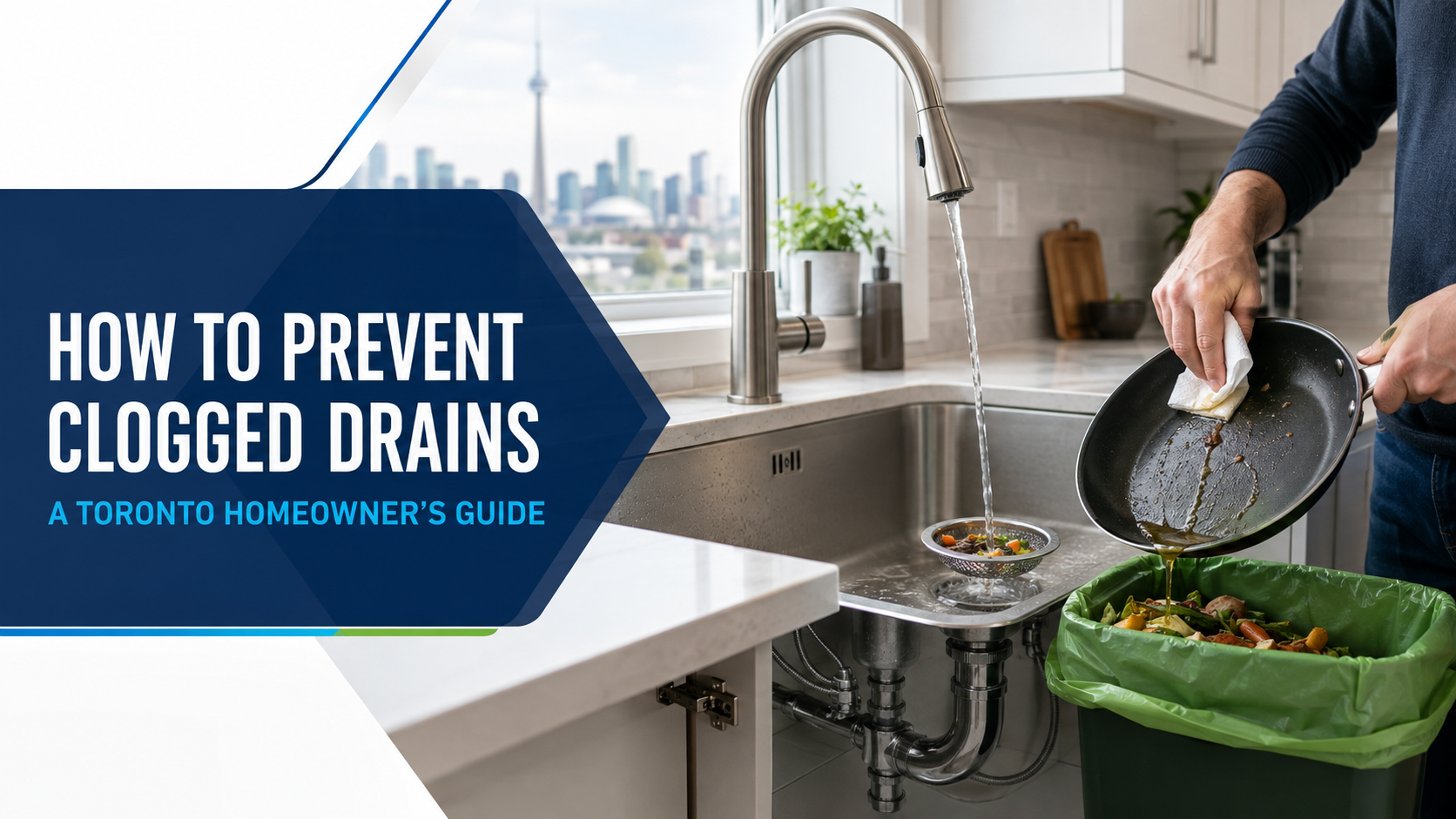
- Keep fats, oils and grease out of kitchen drains.
- Use strainers to catch food and hair.
- Put wipes, hygiene products and dental floss in the garbage.
- Scrape plates before washing them.
- Avoid rinsing paint, solvents and medication into plumbing fixtures.
- Address recurring slow drainage instead of repeatedly treating the symptom.
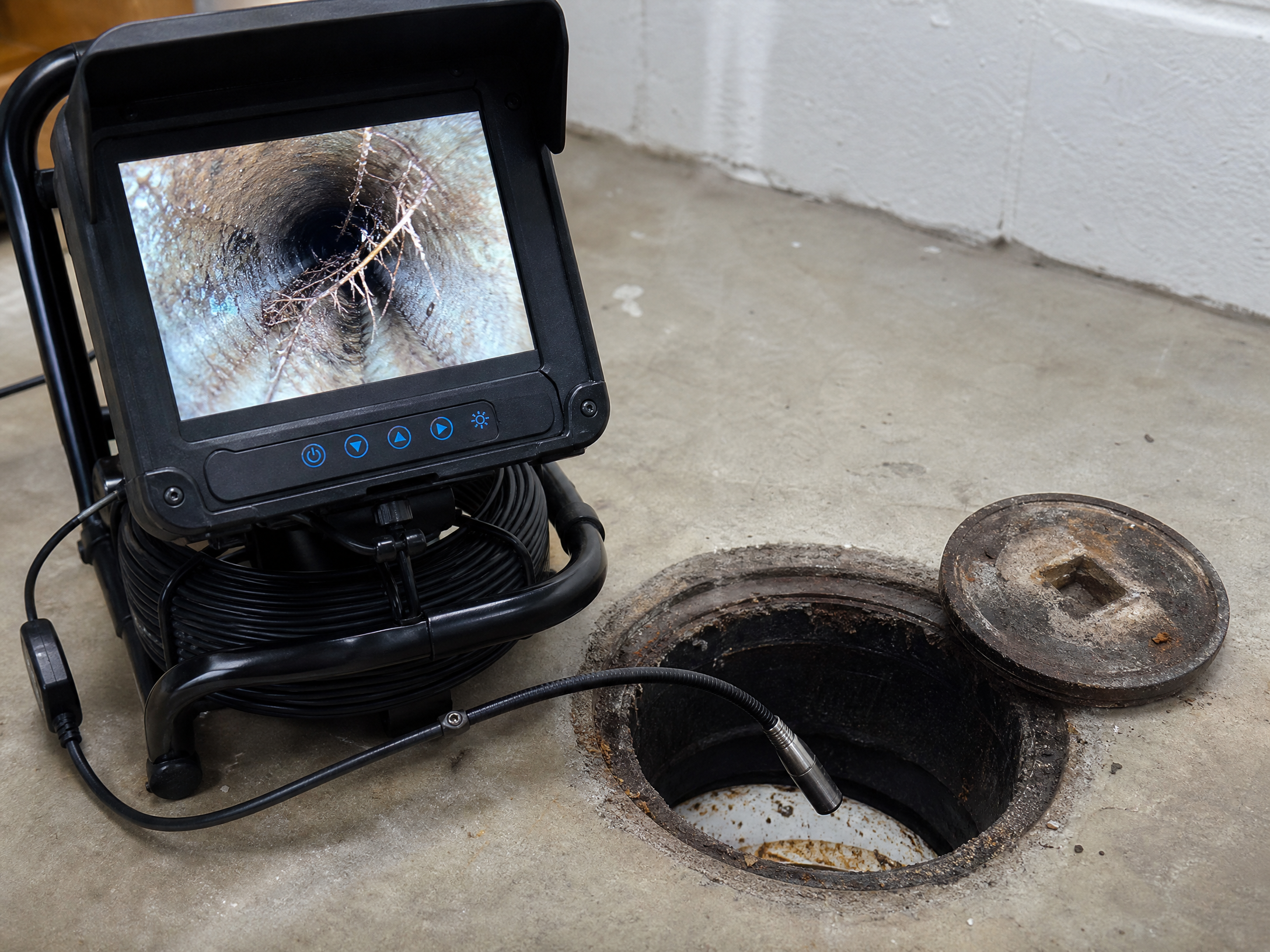
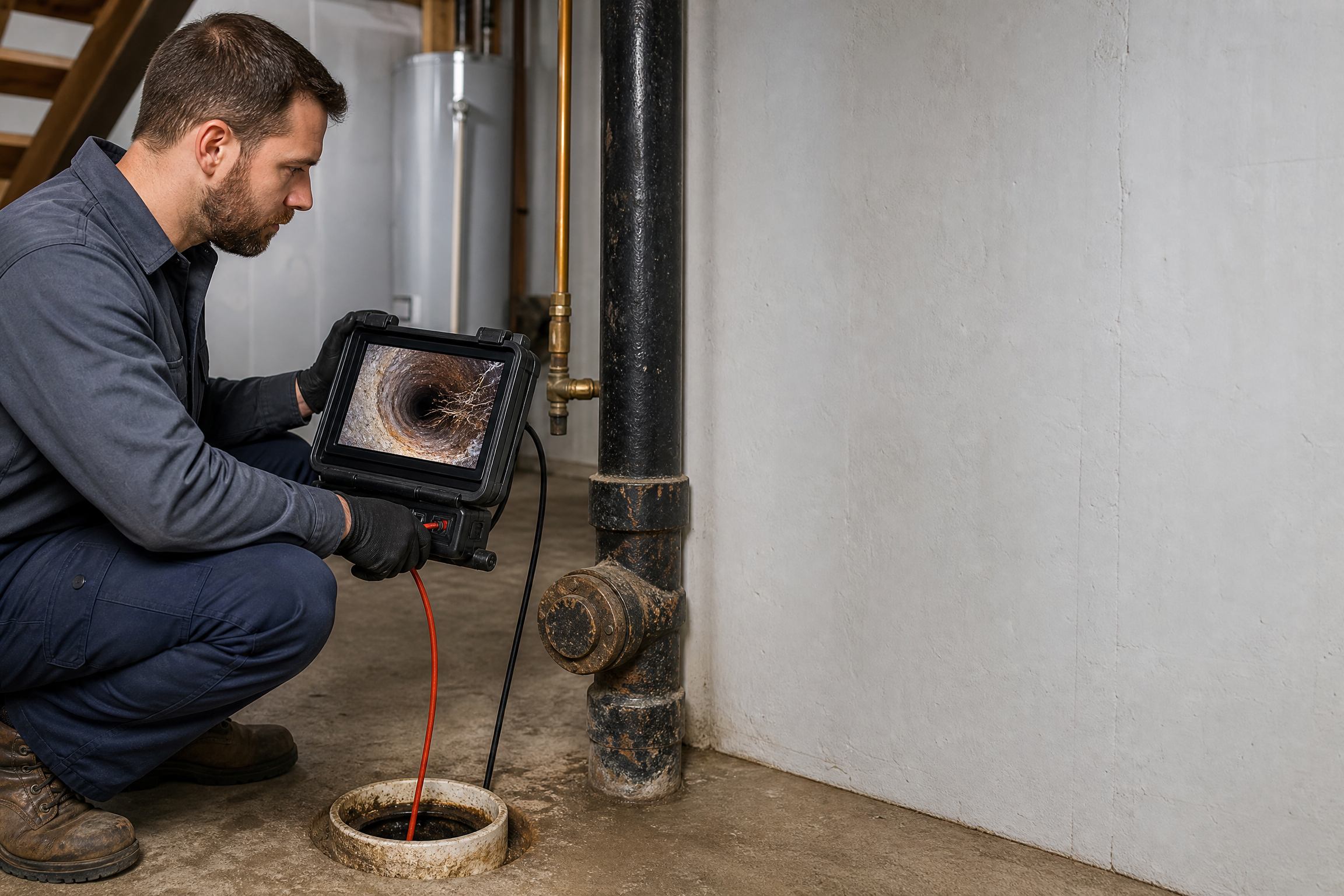
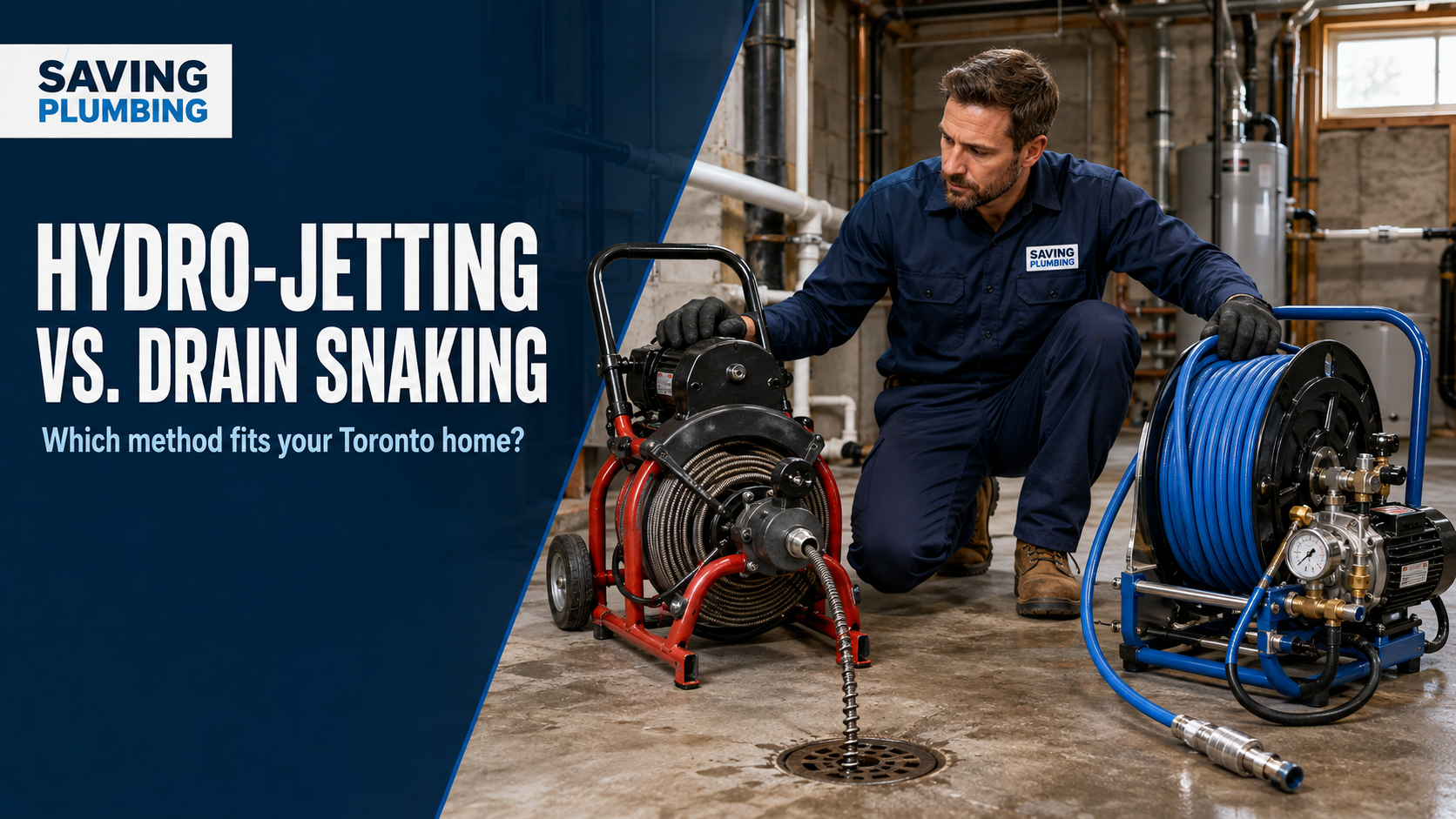
A mechanical cleaning method is not automatically appropriate either. Pipe condition, diameter, material and obstruction type should determine whether the plumber uses a hand tool, drain snake, auger, camera or water jetting.
Saving Plumbing’s guidance on preventing clogged drains explains the habits that reduce avoidable buildup. Recurring or multi-fixture symptoms warrant diagnosis before another cleaning attempt.
Repair or replace? Use the smallest effective intervention
Replacing an entire fixture can look like an upgrade, but repair often consumes fewer materials and costs less.
Repair is usually worth considering when:
- Replacement parts remain available
- The fixture body is sound
- The defect is limited to a seal, cartridge, valve or connector
- The repair will restore reliable performance
- The fixture already uses water efficiently
- There is no recurring leak or structural defect
Replacement becomes more reasonable when:
- The fixture is cracked or badly corroded
- Repairs are becoming frequent
- Replacement parts are obsolete
- The toilet performs poorly despite a clear drain
- The existing fixture consumes substantially more water
- Accessibility or safety needs have changed
- A larger renovation already requires plumbing alterations
A faucet with a worn cartridge may only need a repair. A corroded faucet body that leaks from several locations may not be worth rebuilding. Similarly, a toilet with a failed flapper is repairable, while a cracked toilet should be replaced.
A practical green-plumbing plan for Toronto homeowners
Start with evidence from your own home. A product marketed as efficient will not solve an undetected leak, poor water pressure or an unnecessarily long hot-water route.
This weekend
- Check toilets for silent leaks.
- Watch the water meter while every fixture and appliance is off.
- Review recent water consumption through MyWaterToronto.
- Clean clogged faucet aerators.
- Inspect exposed supply lines, valves and the water heater.
- Look for moisture beneath sinks and around toilets.
- Confirm that exterior faucets close completely.
- Keep grease, wipes and chemicals out of drains.
During the next plumbing repair
Ask whether the component can be repaired before replacing the entire fixture. If replacement is necessary, compare water use, repair-part availability, warranty terms and expected service life.
During a bathroom or kitchen renovation
Plan fixture locations before walls and floors are closed. Shorter hot-water runs can reduce waiting time and the amount of treated water sent down the drain.
A renovation is also the right time to assess:
- Aging supply pipes
- Drain and vent layout
- Shutoff-valve access
- Water pressure
- Toilet rough-in dimensions
- Efficient fixture compatibility
- Hot-water pipe insulation
- Future service access
When the water heater needs replacement
Do not select a unit from its tank capacity or marketing claims alone. The installer should examine peak hot-water demand, incoming water temperature, fuel supply, electrical capacity, venting, condensate drainage and available space.
Compare the full installation, not only the appliance price. A high-efficiency unit that requires extensive electrical, gas or venting changes may have a different payback period than expected.
Frequently asked questions
What is green plumbing?
Green plumbing reduces avoidable water use, lowers the energy required for hot water and favours durable, repairable equipment. It can include leak repairs, efficient toilets, faucet aerators, insulated hot-water pipes, suitable water heaters and rainwater collection for non-potable uses.
What is the most effective water-saving plumbing upgrade?
Repairing an active leak is usually the first priority because the loss continues throughout the day. After leaks are controlled, efficient showerheads, faucet aerators and toilets can reduce normal household consumption.
The most effective choice still depends on where the home uses or loses water.
How can I tell if my Toronto home has a hidden leak?
Turn off all known indoor and outdoor water use, then inspect the water meter. Movement on the meter’s leak indicator may mean water is still flowing.
Unexpected overnight consumption, a sudden increase on the water bill, damp materials, running-water sounds and toilets that refill by themselves are also useful warning signs. A meter test can indicate water loss, but it cannot identify the leak’s location.
Are low-flow fixtures worth installing?
A properly selected, independently tested fixture can reduce water use without creating poor performance. Check the rated flow, available pressure, repair-part availability and suitability for the intended fixture.
An extremely restrictive aerator may be suitable for handwashing but frustrating at a kitchen or utility sink.
Does a tankless water heater always save energy?
No. A tankless heater eliminates storage-related heat loss, but actual savings depend on hot-water demand, fuel source, incoming water temperature, equipment efficiency and installation conditions.
Some Toronto homes also need gas-line, electrical or venting upgrades before a tankless system can be installed.
Is a heat-pump water heater suitable for a Toronto basement?
It may be, provided the room offers sufficient air volume, drainage, electrical capacity and service clearance. The installer must also consider operating noise and the heat the appliance removes from the surrounding space.
A small enclosed mechanical room may require ducting or may not be a suitable location.
Should I replace a working water heater with a more efficient model?
Not automatically. The expected energy savings should be compared with the cost and environmental impact of manufacturing, transporting, installing and eventually disposing of the replacement.
Early replacement may make sense when the current unit is inefficient, unreliable or poorly matched to the household. A safe and serviceable heater may be worth keeping until replacement is justified.
Can rain-barrel water be used inside the house?
A basic rain barrel is intended for suitable non-potable outdoor uses. Rainwater collected from a roof should not be treated as drinking water.
Supplying toilets or other indoor fixtures requires a properly designed non-potable system with separate piping, backflow protection and any applicable approvals. It is not a direct rain-barrel-to-toilet DIY connection.
Are chemical drain cleaners eco-friendly?
Generally, they are not a good routine maintenance method. They may fail when the blockage involves a foreign object, damaged pipe, tree roots or a sewer-line defect. Chemical residue can also create hazards during later drain service.
A recurring blockage should be diagnosed so that the cleaning method matches the pipe and obstruction.
Does green plumbing reduce Toronto water bills?
Reducing metered water use can lower the consumption portion of a Toronto utility bill. Savings depend on how much water the home currently uses, whether leaks are present and which improvements are completed.
Toronto’s 2026 residential water rate is listed at $4.8629 per cubic metre when paid by the due date. Because rates change, current figures should be checked on the City’s water rates and fees page.
Make the upgrade fit the house
The best green-plumbing work is often ordinary plumbing done carefully. A toilet stops running. A shower valve closes properly. Hot water reaches a fixture without several litres being wasted. A repairable component remains in service instead of being discarded.
Before paying for a major upgrade, identify where the home is losing water or energy. Saving Plumbing can inspect leaks, fixtures, water heaters and residential piping across Toronto and the GTA. For help selecting or installing an appropriate improvement, call 416-271-6745 or request a plumbing estimate.
Sources
City of Toronto
- How to Use Less Water
- Managing Water Around the House
- MyWaterToronto
- Toronto Water Rates and Fees
- Tap Water in Toronto