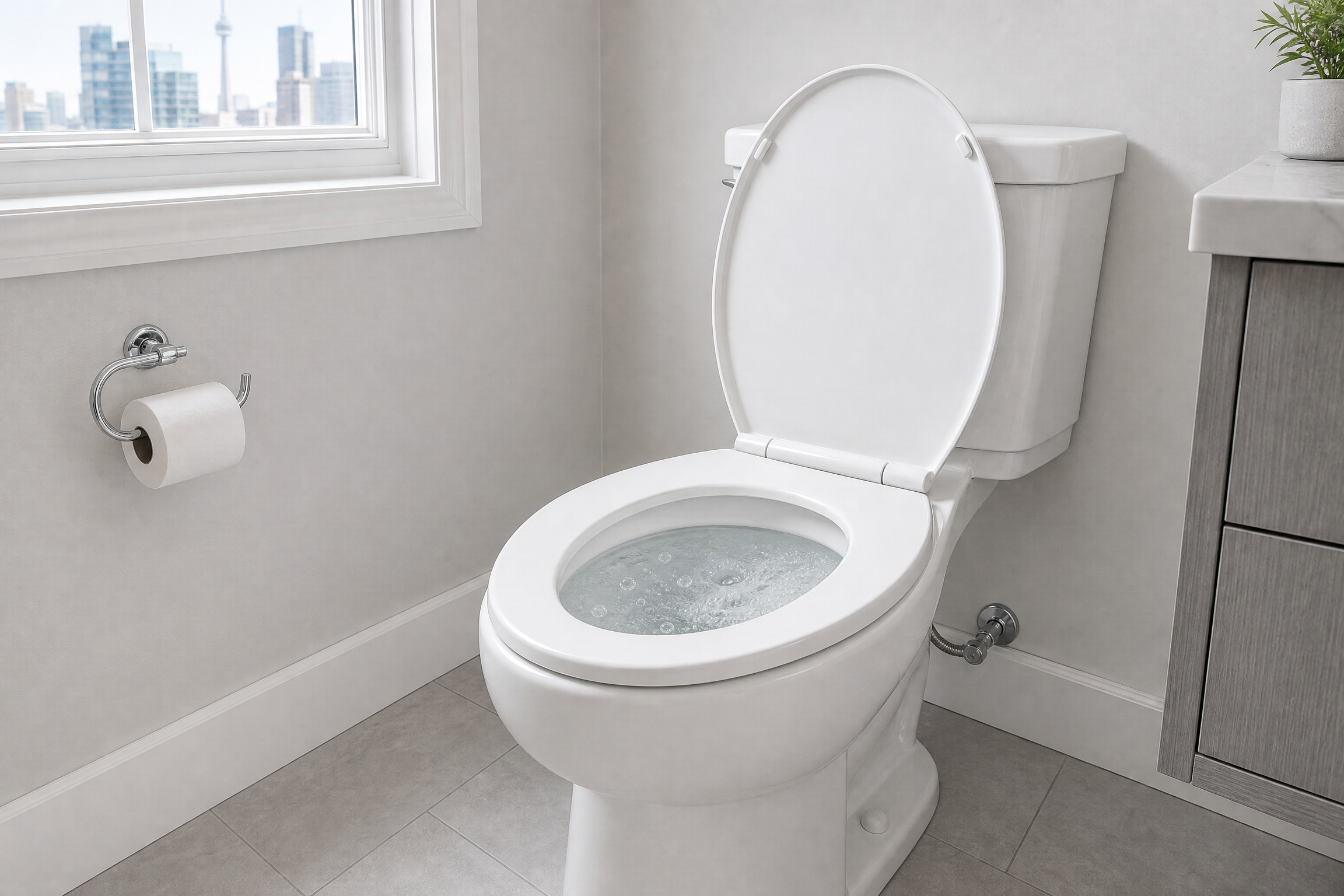
TL;DR: What does a bubbling toilet mean?
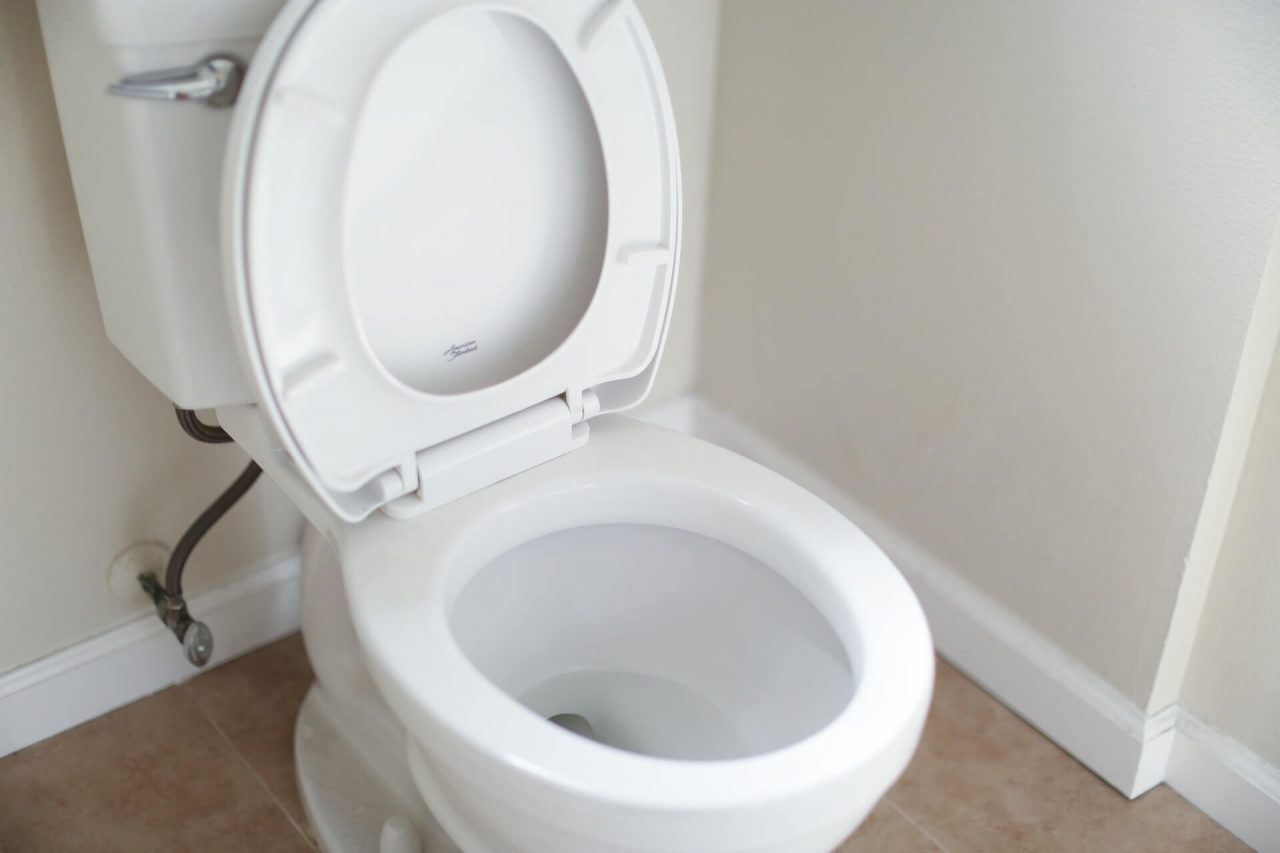
A toilet that bubbles or gurgles when you flush usually means air is trapped because water and waste cannot move freely through the drain system. The cause may be a local toilet clog, a partially blocked branch drain, a blocked plumbing vent, or an obstruction in the home’s main sewer line. If the bubbling happens in more than one fixture, appears when the shower or washing machine drains, or comes with a sewage smell or rising water, stop using the affected fixtures and call a licensed plumber promptly. Saving Plumbing provides drain, sewer, toilet, leak, and emergency plumbing services across Toronto and the GTA.
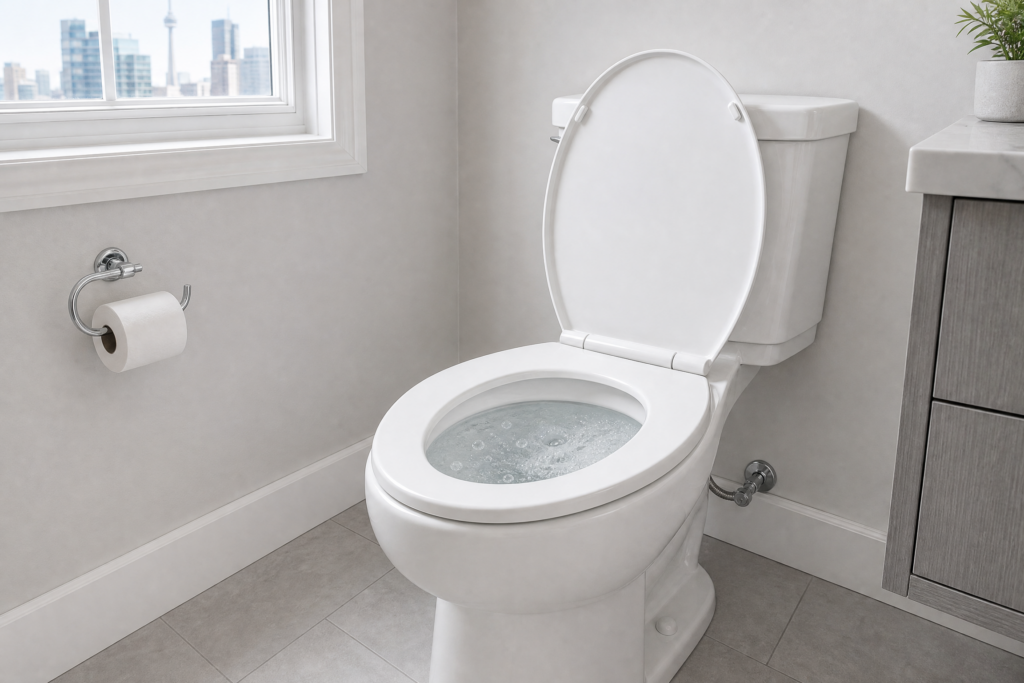
Why does a toilet bubble when you flush?
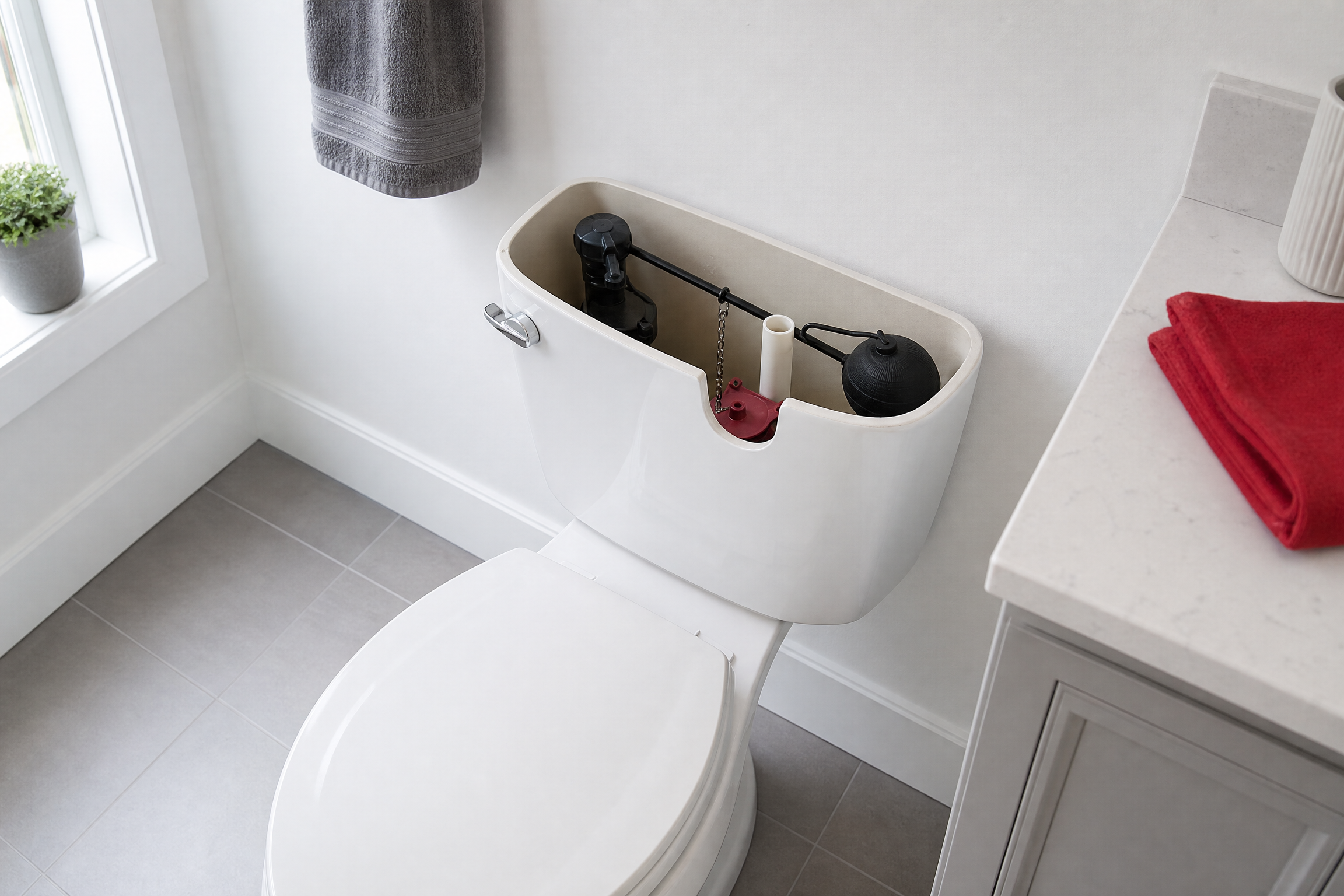
Your plumbing system needs both water flow and air movement. Drain pipes carry wastewater away, while vent pipes help balance air pressure. When a clog, damaged pipe, or blocked vent interrupts that balance, air can be pushed back through the toilet’s water trap. The result is a bubbling, burping, or gurgling sound in the bowl.
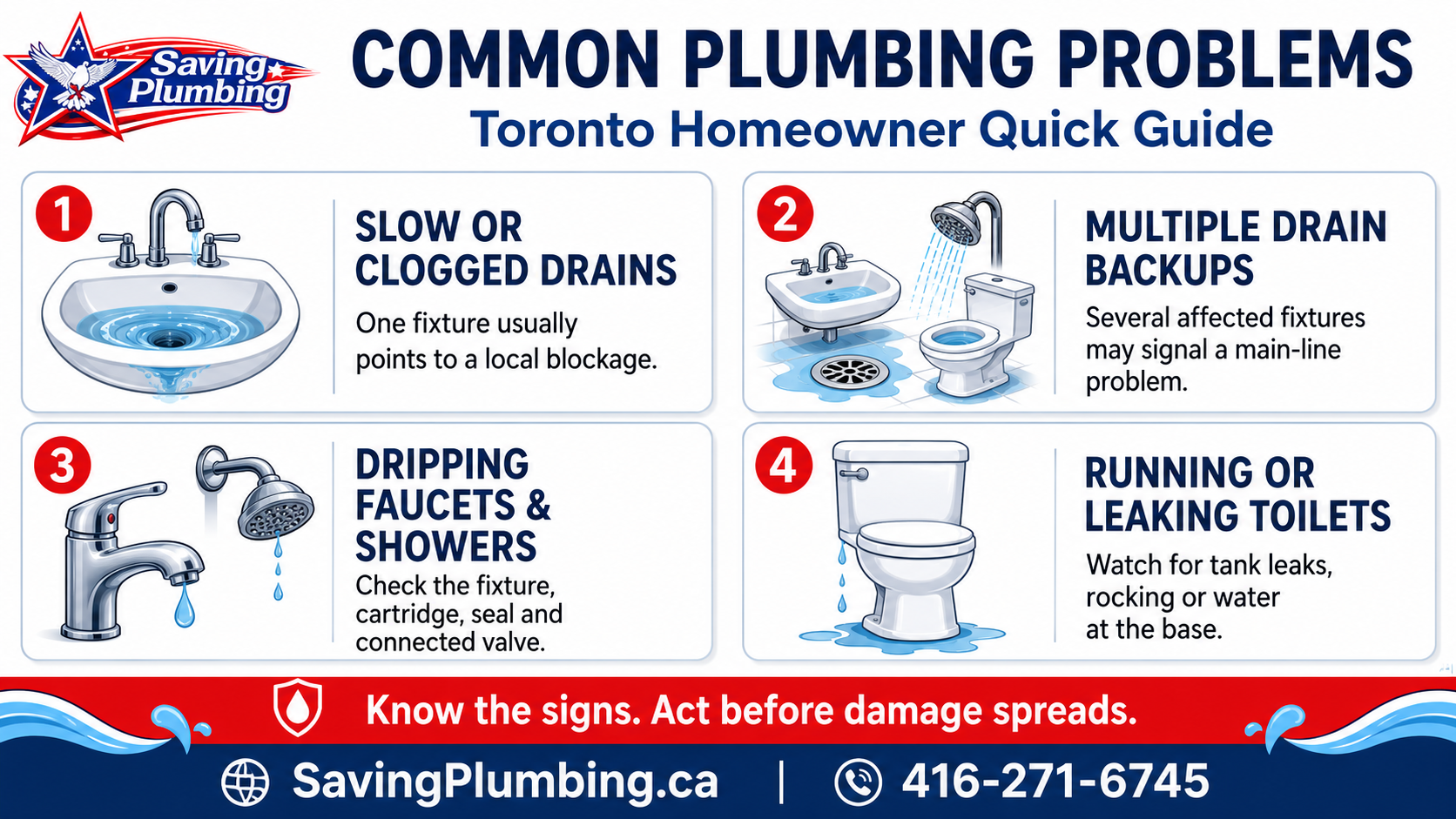
The sound itself does not identify the exact fault. The most useful clues are which fixtures are affected, when the bubbling occurs, and whether water is draining slowly or backing up. Saving Plumbing’s existing guidance also stresses that recurring plumbing symptoms should be diagnosed before a major repair is recommended.
Five common causes of a bubbling or gurgling toilet
1. A partial clog in the toilet trap or nearby drain
If only one toilet is bubbling and the bowl drains slowly after flushing, the obstruction may be close to that fixture. Too much toilet paper, wipes, paper products, or a small object can restrict the trap or the short drain section below it. Water may still pass, but trapped air is forced back through the bowl.
A proper flange plunger is a reasonable first step when the bowl is not overflowing. If plunging does not restore normal drainage, repeated attempts can push the blockage deeper or leave the real cause undiagnosed. Do not use caustic chemical drain cleaners in a toilet; they can damage components and create a hazard for anyone who later has to open the line.
2. A blocked branch drain serving the bathroom
Does the toilet bubble when the shower, bathtub, or bathroom sink drains? That pattern suggests the toilet and the other fixture may share a partially blocked branch line. Hair, soap residue, paper, mineral buildup, or an object farther along the pipe can restrict the flow and displace air back toward the toilet.
This is different from a simple toilet-trap clog because the symptom is triggered by another fixture. Note exactly which fixture causes the reaction and tell the plumber. That detail helps narrow the first inspection point.
3. A blocked plumbing vent
A plumbing vent normally extends through the roof and allows air into the drainage system while helping sewer gases exit safely. Leaves, animal nesting material, snow, frost, or ice can restrict the opening. In the GTA, winter weather and freeze-thaw cycles can make venting problems more noticeable, especially when bubbling is accompanied by slow drains or an unusual sewer odour.
A roof vent is not a good place for an improvised DIY repair. Climbing onto a snow-covered or icy roof is dangerous, and forcing tools or a hose into a vent can damage the pipe or roof. A licensed plumber can assess whether the problem is actually the vent, rather than assuming that a roof obstruction is the cause.
4. A partial blockage in the main sewer line
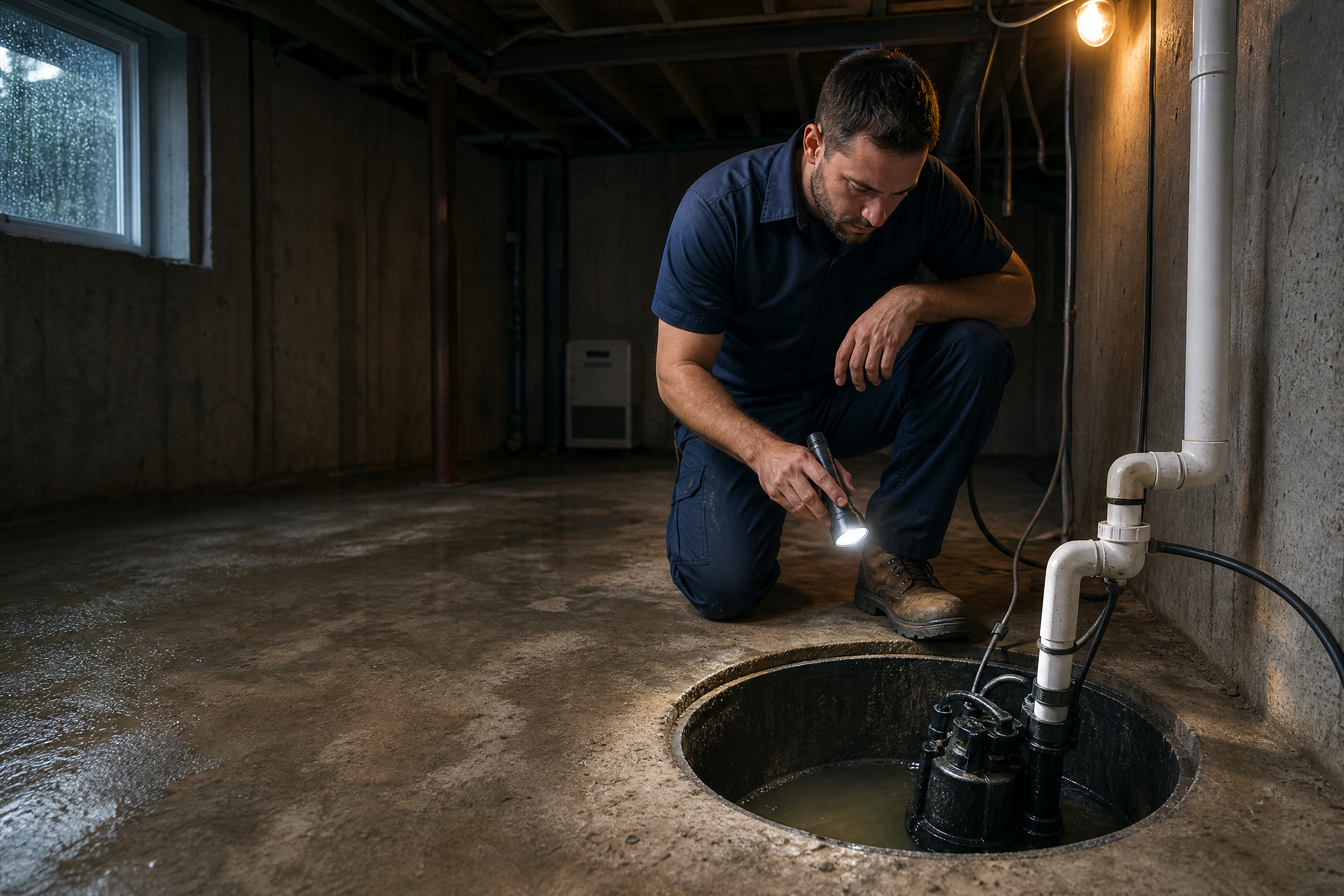
If several fixtures gurgle, drain slowly, or back up, the obstruction may be in the home’s main sewer line. Common possibilities include accumulated debris, grease, root intrusion, a displaced joint, or damaged pipe. A lower-level toilet or floor drain may show symptoms first because it is closer to the lowest point in the drainage system.
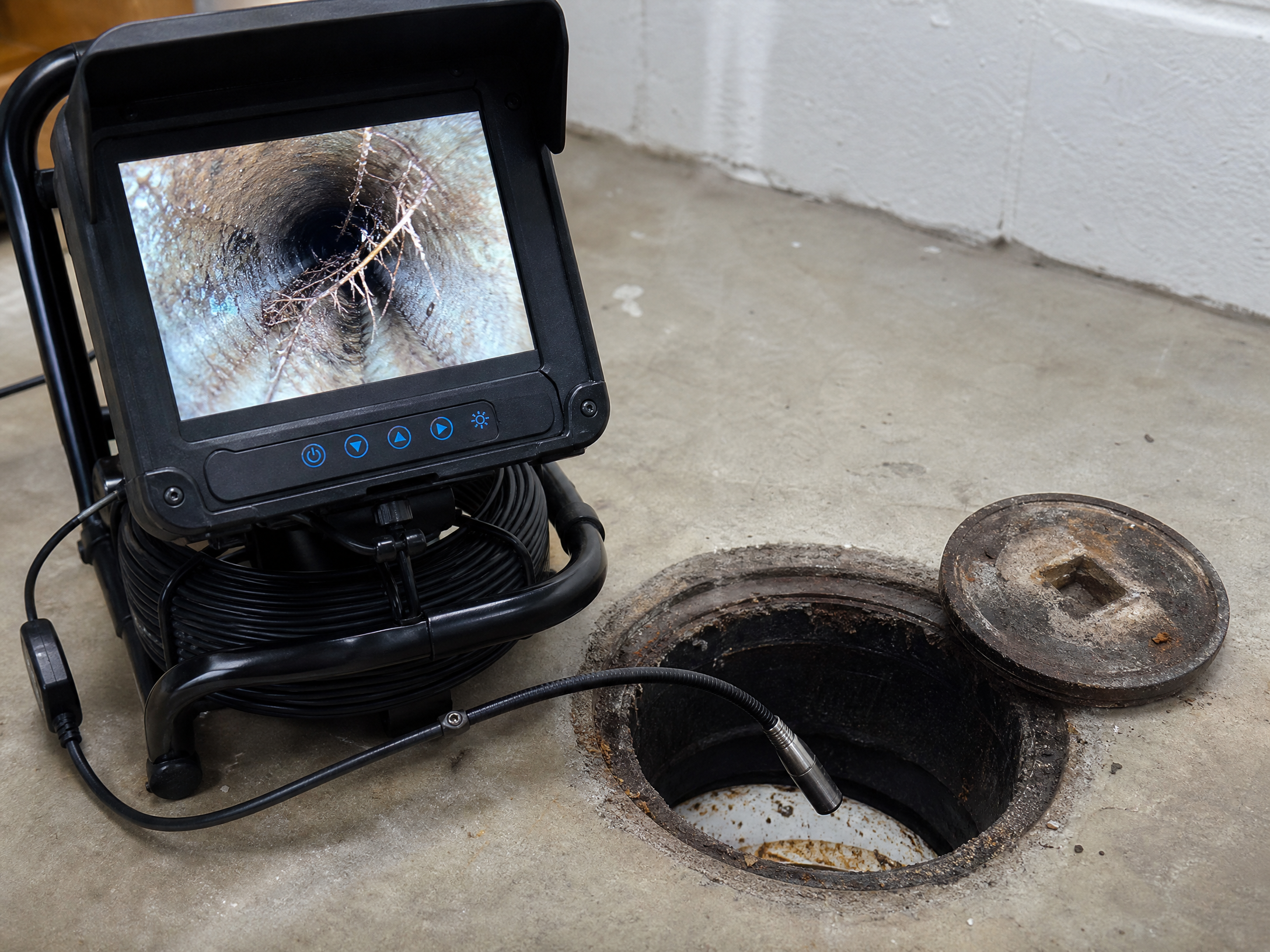
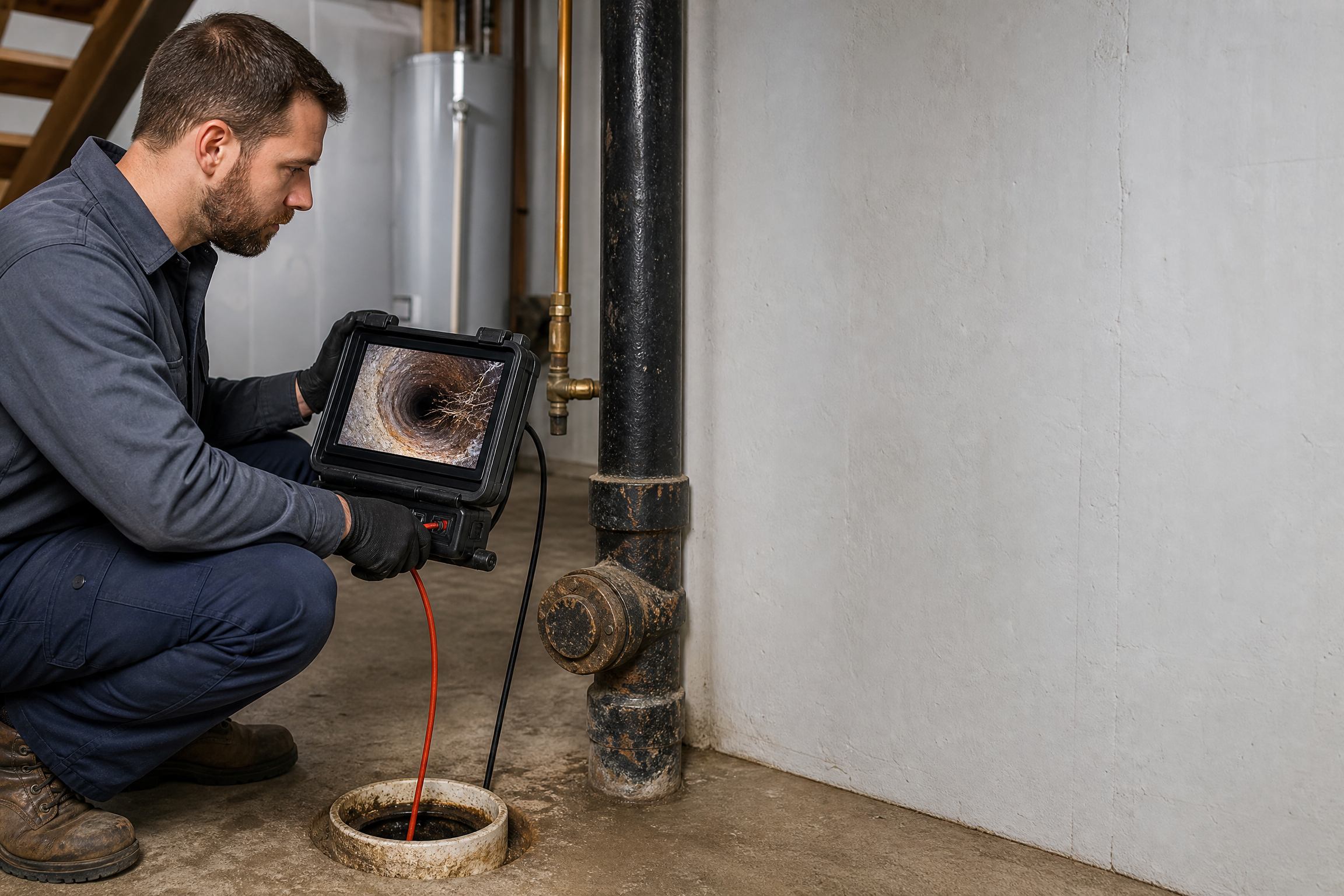
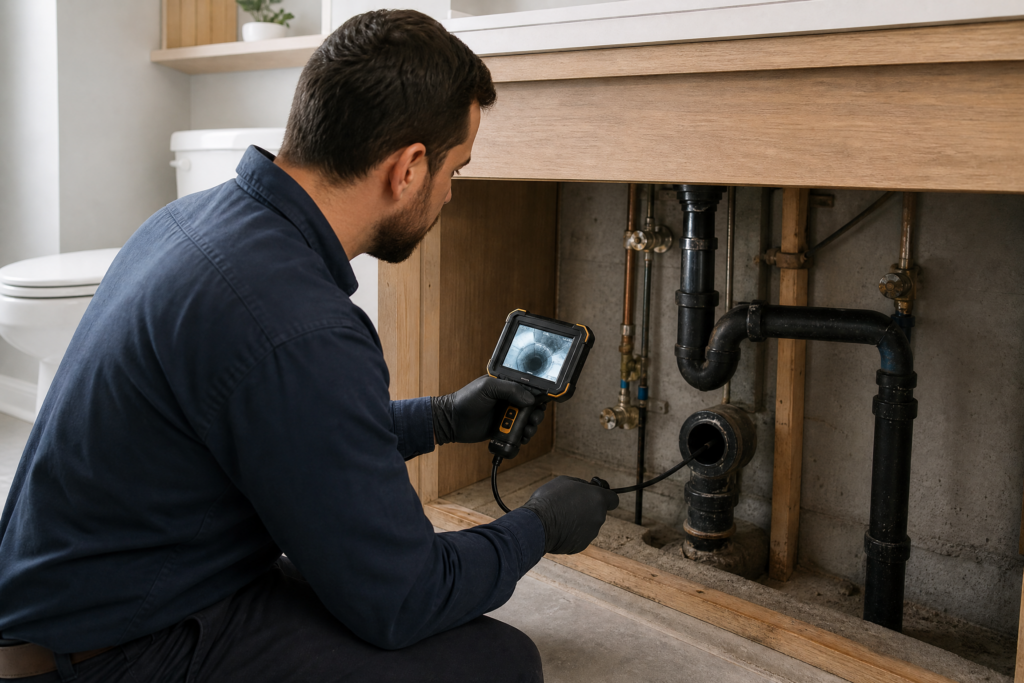
A main-line issue can worsen quickly. Clearing a temporary opening may restore flow without correcting root intrusion or pipe damage, so a plumber may recommend a drain assessment or camera inspection when symptoms recur. Saving Plumbing lists drain repair, tree-root removal, and video camera inspection among its GTA services.
5. A municipal sewer or heavy-rain problem
Sometimes the restriction is outside the home. If nearby properties are experiencing similar drainage problems after intense rainfall, a municipal sewer issue may be contributing. Homeowners should still protect the property and arrange a professional assessment rather than assuming the city line is responsible.
A bubbling toilet alone cannot confirm where the blockage is. The distinction between a fixture, branch line, private main, and municipal sewer requires inspection and, where appropriate, coordination with the municipality.
Use the symptoms to narrow down the likely problem
| What you notice | What it may suggest | What to do next |
| One toilet bubbles immediately after flushing | Local toilet or nearby drain restriction | Stop repeated flushing; try one careful plunge if the bowl is not high; call for service if it persists |
| Toilet bubbles when shower or tub drains | Shared branch-line clog or venting problem | Limit water use in that bathroom and arrange drain diagnosis |
| Several toilets or sinks gurgle | Main sewer-line restriction or broader vent issue | Stop using high-volume fixtures and contact a plumber promptly |
| Sewage smell with bubbling | Venting failure or wastewater restriction | Ventilate the area, avoid contact with wastewater, and request professional help |
| Water rises in the bowl or backs up into a tub/floor drain | Imminent or active drainage backup | Stop using plumbing fixtures and seek emergency plumbing assistance |
| Bubbling starts during or after freezing weather | Possible vent icing or frozen/restricted piping | Do not climb onto the roof; have the system assessed safely |
What should you do when your toilet starts bubbling?
First, stop flushing to see whether the bowl level settles. If the bowl is close to overflowing, close the toilet’s shutoff valve by turning it clockwise. Avoid running the shower, washing machine, dishwasher, or other high-volume fixtures until you understand whether more than one drain is affected.
Next, observe rather than dismantle. Check whether nearby sinks, tubs, floor drains, or other toilets are slow, noisy, or producing an odour. If there is no overflow and the issue appears limited to one toilet, one careful attempt with a flange plunger may be appropriate. If the bubbling returns, the plunger fails, or another fixture triggers the bubbling, stop DIY work and arrange a professional diagnosis.
Never mix drain chemicals, pour boiling water into a toilet, or climb onto an icy roof to inspect a vent. If wastewater has backed up, keep children and pets away from the area, avoid skin contact, and disinfect only after the source is controlled and the affected materials have been assessed.
When is a bubbling toilet an emergency?
A bubbling toilet is not always an emergency call, but it should not be ignored when it is recurring or spreading. Contact an emergency plumber in Toronto or the GTA if you see wastewater, the bowl is rising, multiple fixtures are backing up, a basement floor drain is overflowing, a sewage odour is strong or persistent, or you cannot safely shut off the water.
Saving Plumbing’s emergency-plumbing guidance recommends stopping the water, clearing access around the affected area, and draining water only where a safe, working drain is available. If a sewage backup is present, do not keep flushing to test the system. More water can increase the damage.
What will a plumber check?
A qualified plumber will normally begin by confirming the symptom and testing the affected fixtures. Depending on the pattern, the assessment may include a toilet auger, branch-line or main-line drain cleaning, inspection of an accessible cleanout, a check of the plumbing vent, or a camera inspection. The goal is to identify whether the restriction is local, shared by several fixtures, inside the private sewer line, or beyond the property.
Before approving extensive work, ask what has been confirmed, what remains suspected, what the proposed repair includes, and whether testing will be completed afterwards. A clear scope is especially important when the visible symptom is a bubbling toilet but the suspected cause is underground or concealed.
How can GTA homeowners prevent recurring toilet bubbling?
Use toilets only for human waste and toilet paper. Keep wipes, paper towels, hygiene products, grease, and food waste out of plumbing fixtures, even when packaging describes an item as flushable. Address slow drains early instead of waiting for a complete backup.
During winter, keep an eye on unusual gurgling, sewer odours, or slow drainage after a cold snap. Do not attempt roof work in unsafe conditions. If the property has a history of root intrusion, repeated blockages, or sewer backups, ask a plumber whether a maintenance or inspection plan is appropriate for the pipe material, age, and site conditions.
Call Saving Plumbing for toilet, drain, and sewer help in Toronto and the GTA
A bubbling toilet is your plumbing system’s warning that flow or air pressure is being disrupted. The problem may be a small local clog, but recurring or whole-home symptoms can precede a serious sewer backup. Saving Plumbing’s licensed and insured team provides 24/7 plumbing support for residential and commercial properties, including toilet repairs, drain cleaning, leak detection, sewer and tree-root services, video camera inspections, and emergency response.
Call 416-271-6745 to describe what you are seeing and ask about service availability. The sooner the cause is identified, the better the chance of resolving the restriction before it becomes a larger water-damage problem.
Frequently asked questions
1. Is a bubbling toilet a sign of a sewer-line problem?
It can be. A bubbling toilet may result from a local toilet clog, a blocked branch drain, a blocked plumbing vent, or a partial obstruction in the main sewer line. If multiple fixtures are affected, a main-line or broader venting problem becomes more likely.
2. Why does my toilet bubble when the shower is running?
The toilet and shower may share a partially blocked drain branch or have a venting problem. As shower water moves through the restricted line, trapped air can be pushed back through the toilet trap and create bubbling or gurgling.
3. Can I fix a bubbling toilet with a plunger?
You can try one careful plunge with a flange plunger if the issue affects only one toilet and there is no overflow. If bubbling returns, the plunger does not work, or other fixtures are involved, stop and contact a plumber because the blockage may be deeper.
4. Should I use chemical drain cleaner for a gurgling toilet?
No. Chemical drain cleaners can damage toilet components and create a safety hazard during later repairs. Mechanical clearing and professional diagnosis are safer options when plunging does not solve a minor, isolated clog.
5. When should I call an emergency plumber for a bubbling toilet?
Call an emergency plumber when the bowl is rising, wastewater is backing up, several fixtures are affected, a basement drain is overflowing, a strong sewage odour is present, or you cannot safely stop the water. Stop using the plumbing until the cause is assessed.
References
[1] How to Choose the Right Plumber for Your Home — Saving Plumbing
[2] Why You Should Hire Professional Plumbers
[3] Emergency Plumbing Toronto — Saving Plumbing
[4] 7 Reasons Your Toilet Is Bubbling
[5] Why Is My Toilet Bubbling? What It Means and What You Should Do
[6] Fast Plumbing Answers: Toilet Bubbling and Gurgling?
[7] Toilet Gurgles When Flushed? Troubleshooting & Plumbing Repair