
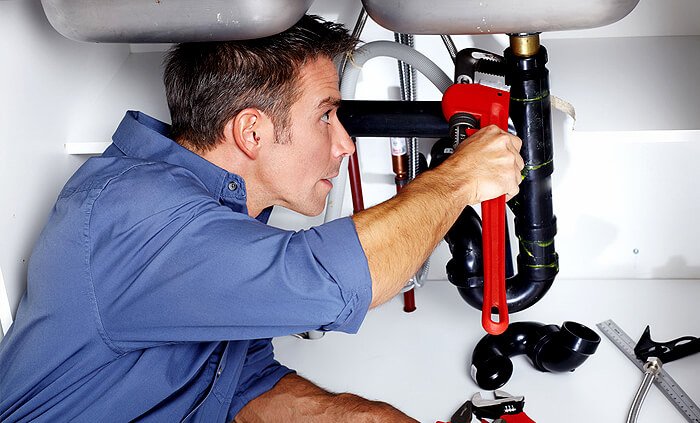
A leaking pipe does not automatically mean your entire home needs repiping.
One failed joint, a punctured water line or a short corroded section can often be repaired without replacing pipes elsewhere in the house. Whole-home or partial repiping becomes more reasonable when failures keep appearing in different locations, the pipe material is deteriorating throughout the property, or restricted lines are affecting water flow at several fixtures.
The decision should be based on the pattern of failure, not the age of the home alone.
A Toronto plumber should consider:
- Where previous leaks occurred
- Whether the failures involve the same pipe material
- The condition of accessible fittings and supply lines
- Water pressure across the house
- Signs of internal corrosion or mineral buildup
- The number and cost of earlier repairs
- Whether walls or ceilings will already be open for renovations
- The risk of another concealed leak damaging finished areas
A 60-year-old house with sound copper lines may need only a localized repair. A newer property with repeated fitting failures or poorly installed piping may need much more extensive work.
What Does Repiping a House Mean?
Repiping means replacing some or all of a building’s water-distribution pipes.
These are the pressurized hot and cold water lines that carry potable water to faucets, toilets, showers, appliances and other fixtures. Repiping does not automatically include sewer pipes, drains, the water heater, faucets or the municipal watermain.
The scope may involve:
- Replacing one deteriorated branch serving a bathroom or kitchen
- Replacing all accessible pipes made from a problematic material
- Replacing hot-water lines that have deteriorated faster than cold-water lines
- Replacing most or all supply piping throughout the house
- Replacing the private water service from the property line into the home
These are different projects. A homeowner should receive a clear explanation of which pipes are being replaced, why they are included and what will remain in service.
Does One Leaking Pipe Mean You Need to Repipe the House?
Usually, no.
A single leak can result from a failed fitting, accidental damage, freezing, vibration, poor support or corrosion confined to one section. If the remaining system is in sound condition, replacing the damaged area may be the sensible repair.
The concern changes when leaks no longer look isolated.
| What is happening? | What it may indicate |
|---|---|
| One accessible joint is dripping | Local fitting or connection failure |
| One pipe froze beside an exterior wall | Insulation or cold-air exposure problem |
| One fixture has weak flow | Clogged aerator, valve or local supply issue |
| Several unrelated pipes have leaked | Widespread material deterioration or installation defects |
| Pressure is weak throughout the house | Restricted supply piping, service-line trouble or a pressure-control issue |
| Water is repeatedly discoloured at multiple cold-water taps | Corrosion or sediment affecting a larger part of the system |
| Walls have been opened several times for new leaks | Continuing spot repairs may no longer be economical |
A plumber should diagnose the system before recommending repiping. Low pressure, for example, can also result from a partly closed main valve, a failing pressure-reducing valve, a municipal supply issue or a small service line. Replacing interior pipes without confirming the cause could leave the original problem unresolved.
Signs Your Plumbing Pipes May Need Replacement
No single symptom settles the decision in every home. Several related warning signs carry more weight, especially when they appear in different rooms or continue after earlier repairs.
Leaks Keep Appearing in Different Areas
Recurring leaks are one of the clearest reasons to assess the rest of the piping.
The important detail is location. A second leak beside a recently repaired fitting may point to a localized installation problem. Leaks appearing months apart in a basement ceiling, an upstairs bathroom and a kitchen wall suggest a broader pattern.
Keep a record of:
- The date of each leak
- The location
- The pipe material
- The failed joint or pipe section
- The plumber’s diagnosis
- Repair and restoration costs
Drywall, paint, flooring and cabinetry repairs can eventually cost more than the plumbing work itself. When several sections of the same aging system have failed, another patch may only move the risk to the next weak point.
An active leak or sudden water release needs immediate attention. Shut off the affected fixture or main water valve when it is safe, then arrange burst-pipe repair before considering the longer-term repiping decision.
Water Pressure Has Dropped Throughout the House
Weak flow at one faucet rarely proves that the home needs new pipes. The aerator may be clogged, the fixture shutoff may be partly closed, or the faucet cartridge may be failing.
A system-wide change deserves a closer look.
Possible signs include:
- The shower becomes weak when another fixture is used
- Toilets refill slowly
- Washing machines take longer to fill
- Hot and cold flow are both poor
- Several fixtures have gradually lost pressure
- Cleaning faucet aerators does not solve the problem
Older galvanized steel pipes can corrode internally. As the opening narrows, less water reaches the fixtures even when the outside of the pipe looks intact.
Pressure and flow are not the same measurement. A plumber may need to test static pressure, observe flow under demand and examine the incoming service before deciding which pipe section is restricting the system.
Tap Water Is Brown, Yellow or Rust-Coloured
Discoloured water can come from household pipes, the water heater or temporary work on the municipal water system. The pattern helps narrow the source.
Ask these questions:
- Does the discolouration affect hot water, cold water or both?
- Does it appear at every fixture?
- Is it limited to one faucet?
- Did it begin after nearby municipal work?
- Does it clear after running the water?
- Is the home supplied through galvanized steel or an older service pipe?
Discolouration limited to hot water may point toward the water heater rather than the home’s cold-water piping. Rust-coloured cold water that persists at several fixtures may justify an inspection for corrosion in galvanized pipes or the incoming service.
Do not assume that clear water proves older plumbing is safe. Some pipe deterioration develops without a visible change at the tap.
Exposed Pipes Show Corrosion, Deposits or Past Repairs
Accessible plumbing in a basement, utility room or beneath a sink can reveal part of the system’s condition.
Look for:
- Green or blue deposits around copper joints
- Rust on galvanized steel
- White mineral buildup around connections
- Flaking or heavily discoloured pipe surfaces
- Damp insulation
- Old clamps or repair sleeves
- Mixed pipe materials joined with questionable fittings
- Numerous short replacement sections from earlier leaks
Surface staining does not always mean the pipe wall is failing. Condensation, a nearby leak or residue from an old repair can produce similar marks. The pipe and fitting should be examined before any replacement decision is made.
A collection of old patches tells a more useful story than one stained joint. It shows whether previous repairs have been isolated or whether the system has been failing section by section.
You Hear Water When Every Fixture Is Off
Water movement behind a wall or beneath a floor can indicate a concealed leak. Other clues include a water meter that continues to register use, warm flooring above a hot-water leak, damp drywall, peeling paint or an unexplained rise in water consumption.
A concealed leak still does not prove the whole house requires repiping. The plumber first needs to locate it and determine why the pipe failed.
Broader replacement becomes easier to justify when the concealed leak is one of several failures involving the same piping system.
Hot-Water Pipes Fail More Often Than Cold-Water Pipes
Hot-water piping operates under added thermal stress. Pipes expand when heated and contract as they cool. Poor support, abrasive contact points, installation defects or existing corrosion can make repeated hot-line leaks more likely.
When failures are confined to the hot-water side, the best solution may be a targeted hot-water repipe rather than replacing every supply line in the home.
The water heater should also be checked. Excessive temperature or pressure can contribute to plumbing problems and should be corrected before new piping is installed.
The Most Useful Distinction: Local Damage or Systemic Failure?
The homeowner’s real decision is not simply “repair or replace.” It is whether the problem is confined to one location or reflects the condition of the larger system.
A localized repair may be enough when:
- There has been one isolated leak
- Accidental damage caused the failure
- A single fitting was installed incorrectly
- One pipe froze in a known cold area
- The surrounding pipe is in good condition
- Water pressure and quality are normal elsewhere
- There is no history of similar failures
Partial or whole-home repiping deserves consideration when:
- Leaks have developed in unrelated areas
- Several repairs involve the same pipe material
- Pipes are heavily corroded or restricted internally
- Water flow is poor at fixtures throughout the home
- Much of the piping is inaccessible behind finished walls
- Previous patches are becoming frequent or costly
- A planned renovation creates efficient access to aging lines
- A lead private water service has been confirmed
- The existing layout or pipe sizing no longer serves the home properly
Pipe replacement should solve a documented risk or performance problem. It should not be recommended solely because a house has reached a certain age.
Pipe Materials Commonly Found in Toronto Homes
The material matters, but its name alone does not determine whether every pipe should be removed.
Installation quality, water conditions, pressure, previous freezing, fittings and renovations all affect how a plumbing system performs.
Copper Pipes
Copper remains common in Toronto homes. It can provide long service when properly installed and protected from damaging conditions.
Replacement may be considered when an inspection finds:
- Repeated pinhole leaks in different locations
- Pitting or thinning pipe walls
- Corrosion around numerous joints
- Poorly supported lines rubbing against framing
- Widespread damage caused by freezing
- Improper connections to other metals
- Earlier repairs scattered throughout the system
Green or blue staining around one joint may come from a slow fitting leak. It does not automatically mean every copper line is failing.
A plumber should compare the failed section with accessible pipe elsewhere in the home. If the rest of the copper is sound, a focused repair may be enough.
Galvanized Steel Pipes
Galvanized steel was used in many older homes. Its protective zinc coating can deteriorate, allowing corrosion and mineral deposits to develop inside the pipe.
Common problems include:
- Reduced interior pipe diameter
- Weak flow at several fixtures
- Rust-coloured water
- Corroded threaded connections
- Leaks near fittings
- Difficulty connecting new fixtures to the old system
A galvanized pipe can look acceptable from the outside while being heavily restricted inside. Replacing one short section may improve a local problem without restoring flow through the remaining corroded lines.
When most of a home still has original galvanized water piping, widespread pressure or corrosion problems usually justify discussing a planned repipe.
PEX Pipes
PEX is flexible plastic water-distribution piping used in many newer installations and repiping projects.
A PEX system should be evaluated as a complete installation. The plumber needs to consider:
- The pipe manufacturer and markings
- Fitting type
- Connection method
- Support and bend radius
- Exposure to heat or ultraviolet light
- Damage from screws, nails or abrasion
- Signs of stress around fittings
- Whether the pipe was approved for its application
One damaged PEX line can often be replaced locally. Repeated fitting failures throughout the house may indicate a product, installation or system-pressure problem that needs a broader response.
Polybutylene or Poly-B Pipes
Polybutylene is generally identified by markings on the pipe rather than colour alone. Existing systems may use plastic or metal fittings and can be difficult to assess from visible sections because deterioration may not be obvious.
Finding Poly-B should trigger a careful inspection and a practical discussion about:
- Previous leaks
- Condition of accessible fittings
- Where the piping is concealed
- The cost of opening and restoring finished surfaces
- Renovation plans
- Insurance or property-sale requirements
- Whether replacement can be completed in stages
The presence of Poly-B does not allow a plumber to predict the exact day a pipe will fail. It does provide a reason to understand the system, document its condition and compare planned replacement with the consequences of an unexpected leak.
Homeowners should also speak directly with their insurer. Coverage and underwriting decisions differ between companies and policies.
Lead Water-Service Pipes
A lead water service is not the same as lead piping throughout the house. It is the pipe that carries water from the municipal watermain toward the property.
In Toronto, responsibility is divided:
- The City owns the section from the watermain to the property line.
- The homeowner owns the section from the property line into the house.
Homes built before the mid-1950s may have lead water-service pipes. The City advises homeowners to consult a licensed plumber or contact 311 to investigate the service material. Toronto also offers free lead testing for residents.
Replacing the complete lead service is the preferred permanent response. The City warns that replacing only one side can temporarily increase lead levels because cutting and disturbing the pipe may release lead particles.
Homeowners who commit to replacing their private section may be eligible to apply through Toronto’s Priority Lead Water Service Replacement Program.
While replacement is being arranged, follow the City’s current lead and drinking-water guidance. Testing, flushing and a properly certified filter can reduce exposure, but a filter should not be treated as a permanent substitute for replacing a confirmed lead service.
Should You Replace Pipes During a Renovation?
A renovation can change the economics of repiping.
Opening finished walls is often one of the most disruptive parts of pipe replacement. If a kitchen, bathroom or basement ceiling will already be exposed, the plumber may be able to replace aging lines with less additional demolition.
It is worth evaluating the pipes before:
- Finishing a basement
- Installing new kitchen cabinetry
- Tiling a bathroom
- Replacing a bathtub or shower
- Closing an accessible ceiling
- Building a secondary suite
- Completing a major addition
- Installing expensive flooring beneath plumbing areas
New finishes can conceal pipes that were already showing signs of corrosion or restricted flow. Reopening a recently completed bathroom because an original line failed behind the wall is a preventable expense.
The assessment should still be selective. A renovation is an opportunity to inspect and replace questionable piping. It is not proof that every accessible line must be removed.
Partial Repiping Versus Whole-Home Repiping
Partial repiping replaces a defined part of the water-distribution system. Whole-home repiping replaces most or all hot and cold supply lines within the house.
Partial repiping may be appropriate when:
- Deterioration is confined to one branch
- Only the hot-water system is failing
- One addition contains a problematic installation
- A bathroom renovation exposes aging local lines
- Most of the house has already been updated
- Accessible testing indicates the remaining piping is sound
Whole-home repiping may be more practical when:
- The same pipe material is failing throughout the property
- Leaks have occurred in several unrelated locations
- Most original piping remains behind finished surfaces
- Corrosion has restricted flow across the house
- Numerous short repairs have created a patchwork system
- A major renovation already provides broad access
- The existing layout or pipe sizing does not support current demand
The estimate should identify the boundaries of the work. “Whole-home repiping” can mean different things between contractors.
Ask whether the proposal includes:
- Hot and cold distribution lines
- Fixture shutoff valves
- Connections to toilets, faucets and appliances
- The main shutoff valve
- The private water-service pipe
- Pipe insulation
- Access openings
- Drywall repair
- Painting
- Removal of abandoned piping
- Permit and inspection costs
- Cleanup and disposal
A lower estimate may simply exclude restoration or leave older sections in place.
How a Plumber Determines Whether Repiping Is Necessary
A credible recommendation should be based on the plumbing system in front of the plumber, not a generic pipe-age chart.
The assessment may include the following.
Review the Failure History
The plumber should ask where leaks occurred, what was repaired and whether different failures involved the same material.
Invoices, photographs and water-damage records can reveal a pattern that is not visible during one appointment.
Identify the Existing Pipe Materials
Many homes contain more than one generation of plumbing.
A basement may show copper while concealed upper-floor branches remain galvanized. A renovated bathroom may use PEX connected to older copper. The incoming service can be a different material from every pipe inside the house.
Accessible markings, fittings, connection methods and service-entry piping help establish what is present.
Test Water Pressure and Observe Flow
Static water pressure measures pressure when fixtures are not running. Flow under demand shows how the system behaves when water is being used.
This distinction helps separate a restricted pipe from other causes such as:
- A partly closed valve
- A failing pressure-reducing valve
- A clogged fixture
- A small water service
- A municipal supply issue
- Simultaneous demand from several fixtures
Inspect Accessible Pipes and Connections
The plumber may examine exposed lines for corrosion, past repairs, poor support, incompatible metal connections, abrasion and evidence of condensation or leakage.
Visible piping offers only a sample of the system. Concealed sections may be older or in different condition.
Separate Plumbing Problems From Fixture Problems
Low flow at one faucet can come from its aerator or cartridge. Discoloured hot water can originate in the water heater. A shower temperature problem may involve its mixing valve.
Those components should be ruled out before a larger pipe-replacement project is proposed.
Define the Access Plan
A repipe should be planned around the least disruptive practical route.
Depending on the home, new lines may pass through:
- Unfinished basement ceilings
- Utility rooms
- Closets
- Plumbing chases
- Attic spaces
- Carefully placed wall openings
The shortest route is not always the best route. Pipes also need adequate support, protection from freezing and access to appropriate fixture connections.
What Does Repiping a House Involve?
The exact sequence depends on the property, but a planned project commonly includes:
- Mapping existing fixtures and supply routes.
- Identifying which piping will remain or be abandoned.
- Confirming material, sizing and connection methods.
- Planning access openings and protection for finished areas.
- Shutting off and draining the affected water lines.
- Installing and supporting the new piping.
- Connecting fixtures and valves.
- Pressure-testing the completed system.
- Restoring water and checking each connection.
- Arranging required inspections.
- Closing access openings after the plumbing work is accepted.
Water may be unavailable for portions of the project. The contractor should explain the expected interruption before work begins, especially when the home will remain occupied.
Do You Need a Permit to Replace Plumbing Pipes in Toronto?
Permit requirements depend on what is being changed.
Toronto lists repairing or replacing plumbing fixtures among projects that may not require a building permit. That exemption should not be treated as permission for every repiping project.
A permit may be required when the work involves new plumbing, buried piping, water-service changes, drainage work, additions or alterations that extend beyond a simple fixture replacement. Toronto publishes separate information and fees for stand-alone plumbing and drain permits.
The plumber or property owner should confirm the permit requirements for the actual scope before work begins. Condominium projects may also require management approval, advance notice, proof of insurance and scheduled access to a building shutoff.
What Affects the Cost of Replacing Plumbing Pipes in Toronto?
A meaningful estimate requires more than the home’s square footage.
Cost depends on:
- Number of bathrooms and fixtures
- Length and routing of new piping
- Pipe material and sizing
- Accessibility above ceilings and behind walls
- Number of required openings
- Occupied or vacant conditions
- Finished basement construction
- Private water-service work
- Permit and inspection requirements
- Shutoff-valve replacement
- Drywall, tile and paint restoration
- Removal of abandoned materials
- Discovery of asbestos-containing materials or other hazards
- Changes requested after walls are opened
Two houses of similar size can have very different repiping costs. A bungalow with an unfinished basement may offer direct access to most fixtures. A multi-storey home with finished ceilings, tiled walls and several bathrooms can require a more involved access plan.
A quote should state whether wall restoration is included. Plumbing contractors may perform only the pipe work, leaving drywall, tile and painting to another trade.
Questions to Ask Before Approving a Repipe
Ask the plumber:
- What evidence shows that the problem is system-wide?
- Could a localized or partial replacement solve it?
- Which pipe materials are currently in the house?
- Which pipes will be replaced?
- Which existing pipes will remain?
- What material and fittings will be installed?
- How will the new lines be routed and supported?
- How many access openings are expected?
- Is drywall, tile or paint restoration included?
- Will permits or inspections be required?
- How long will the water be shut off?
- Can the home remain occupied during the work?
- What written warranty applies to labour and materials?
- What could change the quoted price?
- Will abandoned pipes be removed or left safely in place?
The explanation should connect the observed defect to the proposed scope. “The pipes are old” is not enough on its own.
Frequently Asked Questions
How old should pipes be before they are replaced?
There is no universal replacement age. Pipe material, water conditions, installation, pressure and repair history all matter. Have the system evaluated when an older home develops recurring leaks, corrosion, widespread flow problems or water-quality concerns.
Can you repipe only part of a house?
Yes. A plumber may replace one branch, one floor or only the hot-water lines when the problem is confined to that area. The remaining piping should be assessed so that a partial project does not leave a known weak section behind a newly finished surface.
Does low water pressure mean the house needs repiping?
Not always. One weak fixture may have a clogged aerator, cartridge or shutoff valve. Low flow throughout the house can come from restricted pipes, a service-line problem, a valve issue or the municipal supply. Testing should identify the cause before pipes are replaced.
Can old pipes affect water colour?
Corroding galvanized steel can contribute to brown or rust-coloured water. The municipal system, nearby construction and the water heater can cause similar symptoms. Check whether the discolouration affects hot water, cold water, one fixture or the entire house.
Should galvanized pipes be replaced?
Galvanized pipes should be assessed when they have restricted flow, internal corrosion, leaking joints or repeated failures. Widespread deterioration often makes planned replacement more practical than continuing to repair individual sections.
Should I replace lead pipes in my Toronto home?
A confirmed lead water-service pipe should be replaced in full. Toronto recommends coordinating the homeowner-owned and City-owned portions because disturbing or replacing only one side can temporarily increase lead particles in the water.
Is repiping the same as replacing a sewer line?
No. Repiping usually refers to pressurized hot and cold water lines. A sewer-line replacement addresses the drainage pipe that carries wastewater away from the property. The diagnosis, materials and work involved are different.
Can I stay in my home during repiping?
Often, yes. It depends on the size of the project, water shutoff periods, dust control, open walls and whether essential fixtures can remain available. Ask the contractor for a daily access and water-interruption plan.
Plan the Repair Before the Next Leak
Repeated leaks in different parts of the house deserve more than another isolated patch.
Saving Plumbing can inspect accessible water lines, review the home’s repair history and determine whether the problem calls for a local repair, partial repipe or broader replacement.
Call (416) 271-6745 to arrange a plumbing assessment in Toronto or a supported GTA service area. If a pipe is actively leaking, shut off the affected water supply when safe and request emergency plumbing assistance.
Authoritative Sources
- City of Toronto: Lead and Drinking Water
- City of Toronto: Priority Lead Water Service Replacement Program
- City of Toronto: When Do I Need a Building Permit?
- City of Toronto: Stand-Alone Plumbing and Drain Permits
- Health Canada: Lead in Drinking Water
You Might Also Like To Read
- Tips To Choose the Right Plumber in Toronto
- When Should You Replace Your Water Heater in Toronto?
- How Much Does a Plumber Cost in Toronto in 2026?
- Why My Sump Pump Will Not Shut off & Running Constantly?
- How Long Does A Clogged Drain Cleaning Takes?
- How to Prevent Clogged Drains in Your Toronto Home
