
A clog affecting one sink, tub, shower or toilet usually points to a problem close to that fixture. When several fixtures begin draining slowly, gurgling or backing up together, the restriction may be farther along the building drain or sewer service line.
The way fixtures interact gives you the most useful clue.
If a kitchen sink drains slowly while the rest of the house works normally, start with the sink and its nearby branch drain. If flushing an upstairs toilet causes water to rise in a basement floor drain, or the washing machine makes another fixture gurgle, the problem is affecting a shared drainage path.
Toronto Water gives homeowners a similar starting point. The City says that when only one fixture is not draining, it indicates a private plumbing issue. A blocked sewer service line or basement sewer backup should be reported to 311 so Toronto Water can determine whether City infrastructure is involved.
The difference matters because a local fixture clog, a private sewer blockage and a City-side sewer problem require different responses.
Main Sewer Line Clog vs. Local Drain Clog: The Quick Difference
| What you notice | More likely location | What to do next |
|---|---|---|
| One sink, tub or shower drains slowly | Fixture trap or nearby branch drain | Remove accessible debris or arrange drain service if it persists |
| One toilet clogs but other fixtures work normally | Toilet trapway or nearby branch | Stop repeated flushing and clear or inspect the toilet |
| Several fixtures drain slowly at the same time | Shared branch, building drain or sewer service line | Limit water use and arrange diagnosis |
| Toilet bubbles when another fixture drains | Shared drainage or venting problem | Have the drainage system inspected |
| Water rises from a basement floor drain | Building drain or sewer service line | Stop unnecessary water use and treat it as urgent |
| Several homes on the street are backing up | Possible municipal sewer issue | Contact Toronto 311 |
| Sewage is entering the basement | Sewer backup | Avoid using toilets and sinks and report the backup to 311 |
One symptom cannot prove exactly where the obstruction is. The pattern across several fixtures is more useful because it shows how much of the drainage system is being affected.
How Can You Tell Whether the Clog Is Local or in the Main Sewer Line?
Start by checking how many fixtures are affected and what happens when another fixture drains.
A localized clog usually stays close to one fixture. A bathroom sink may drain slowly because hair, soap residue or debris has collected around the stopper, trap or nearby drain. A kitchen sink can slow down as fats, oils, grease and food residue collect inside the branch line.
Toronto warns residents that fats, oils and cooking grease can cool and harden inside private and municipal sewer pipes. The City also advises against flushing wipes, sanitary products, dental floss and other materials that do not break down properly.
A main drainage problem behaves differently because several fixtures share the affected pipe.
You may notice:
- a toilet bubbling when the bathtub drains
- water rising in a basement floor drain after an upstairs toilet is flushed
- several sinks becoming slow within the same period
- the washing machine causing another drain to gurgle
- sewage or wastewater returning through the lowest fixture
Those symptoms tell a plumber that the restriction may sit beyond the individual fixture branch.
The lowest drain in the house deserves particular attention. Wastewater follows gravity, so a basement floor drain, shower or other low fixture can be one of the first places a significant backup becomes visible.
If sewage begins entering the basement, Toronto advises residents to stop using toilets and sinks unless absolutely necessary because additional water entering the drainage system may return through the backup.
Distinguishing between a localized fixture clog and a main sewer line obstruction is critical. While a slow bathroom sink can often be resolved with basic household tools or a quick call to a local scarborough plumber, a main sewer line backup threatens your entire home’s sanitary system, risking severe basement flooding and costly property damage.
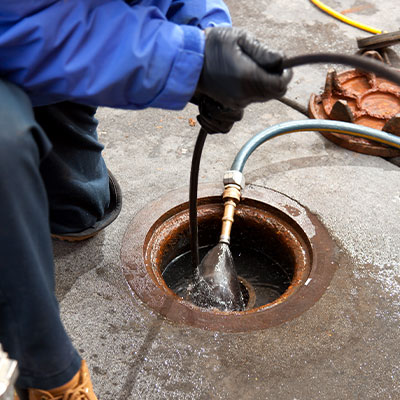
Signs the Problem May Be in the Main Sewer Line
A main sewer line problem usually affects more than one part of the home’s drainage system.
The strongest clue is interaction between fixtures that normally operate independently. You may flush a toilet and hear a nearby tub gurgle. A washing machine may discharge and cause water to rise in a basement floor drain. Several sinks may become slow within a short period.
These symptoms suggest that wastewater is having difficulty moving through a pipe shared by several fixtures.
A possible main sewer problem can include:
- several drains becoming slow at the same time
- toilets bubbling when another fixture drains
- wastewater rising in a basement floor drain
- sewage odours coming from multiple drains
- repeated backups after the line has already been cleared
- sewage returning through a low-level fixture
The location of the symptom matters too. A basement floor drain or basement shower may show a backup before fixtures higher in the house because it sits lower in the drainage system.
A single symptom does not confirm a damaged or blocked sewer line. The pattern across the home gives the plumber a better idea of where to begin the investigation.
What Should You Do If Several Drains Back Up at Once?
If several drains begin backing up together, reduce the amount of water entering the drainage system until the cause is identified.
Continuing to flush toilets, run the dishwasher, use the washing machine or take showers sends more wastewater toward a drainage system that may already be restricted.
If sewage is entering the basement or rising through a floor drain, treat the situation as urgent.
For homeowners, the practical sequence is straightforward.
Stop unnecessary water use first. Keep people and pets away from wastewater.
If only one sink or fixture is affected while everything else drains normally, the problem is more likely to remain within the home’s private plumbing.
When Should a Homeowner Call for a Sewer Backup?
A homeowner should contact 311 when wastewater is backing up into the basement or there are signs that the sewer service connection may be blocked.
Toronto Water starts by checking the municipal sanitary sewer under the street. Staff can inspect maintenance holes upstream and downstream from the property to determine whether the City sewer is flowing properly.
If a blockage is found in the municipal sewer, Toronto Water can arrange flushing and, where required, closed-circuit television inspection to locate the obstruction or damaged section.
When the municipal sewer is operating normally, the investigation can move toward the sewer service connection serving the property.
Access matters during this process. Toronto states that a working and accessible sewer cleanout is important for investigating a sewer-service problem. A cleanout may be located inside the basement, outside the home or on City property. If suitable access is unavailable, the homeowner may need to have a licensed plumber install a proper cleanout before part of the investigation can proceed.
Where access allows, Toronto Water can use CCTV to investigate the City-owned portion of the service line.
If that City-side section is clear, the problem is considered to be on the private portion of the sewer service line and the homeowner becomes responsible for arranging the necessary private-side work.
For a single clogged sink, tub or toilet with no signs of a larger backup, calling a plumber is generally more appropriate than treating the problem as a municipal sewer issue.
What Causes Main Sewer Line Blockages in Toronto?
A main sewer line can stop draining properly because something has accumulated inside the pipe, roots have entered through a defect, or the pipe itself has deteriorated.
Toronto Water identifies several common causes.
Fats, Oils and Grease
Cooking fats and grease can enter a drain as liquid and then cool inside the piping.
As deposits build along the inside wall of the drain, the usable opening becomes smaller. Other debris can catch on the buildup and make the restriction worse.
Toronto advises residents to keep fats, oils and cooking grease out of drains for this reason.
Wipes and Other Items That Do Not Break Down
Products labelled as flushable can still contribute to sewer blockages.
Toronto specifically identifies wipes, sanitary products, condoms, dental floss and similar materials among items that can obstruct sewer piping.
Once these materials catch inside an existing restriction or damaged area of pipe, additional waste can accumulate around them.
Tree Roots Entering the Sewer Pipe
Tree roots need an opening to enter a sewer line.
A crack, damaged joint or other defect can allow roots to grow into the pipe. As the root mass expands, wastewater has less space to pass and materials moving through the drain can become trapped.
Toronto Water lists tree-root intrusion as one cause of sewer-service blockages.
Repeated root-related clogs deserve further investigation because clearing the roots does not necessarily correct the defect that allowed them into the pipe.
Cracked or Deteriorated Sewer Pipe
The pipe itself can also be part of the problem.
Toronto notes that sewer piping can crack and deteriorate over time, particularly in older homes where portions of the drainage system may contain cast iron or clay pipe.
A damaged section may collect debris, allow root intrusion or restrict normal wastewater flow.
This is one reason a sewer line that repeatedly blocks after being cleared may need camera inspection rather than another routine snaking.
Heavy Rain and an Overloaded Sewer System
A basement backup does not always begin with a clog inside the homeowner’s pipe.
During periods of heavy rainfall, municipal sewer systems can become overwhelmed. Toronto identifies heavy rain as another condition that can contribute to water entering a home.
When several neighbouring properties experience drainage problems during the same storm, municipal conditions become more relevant than when one fixture inside one house is draining slowly.
If you are experiencing persistent plumbing issues or suspect a main sewer line blockage in your Greater Toronto Area home, do not wait for a catastrophic backup. Saving Plumbing provides expert 24/7 emergency response, advanced video camera inspections, and reliable drain cleaning services across Toronto and the GTA . Contact Saving Plumbing today for fast, transparent, and professional plumbing solutions tailored to protect your home.
Can a Sewer Camera Show Where the Blockage Is?
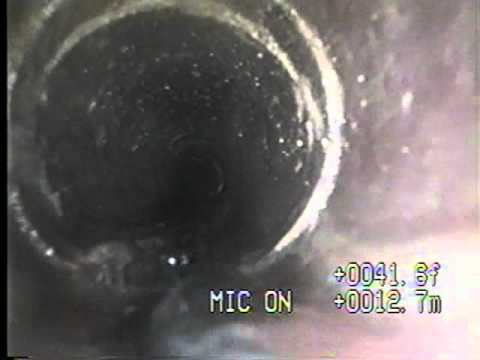
A sewer camera inspection can help determine where a drainage problem is located and what the inside of an accessible sewer line looks like.
The camera is fed through a suitable cleanout or other approved access point and moved through the pipe while the technician watches the image on a monitor.
Depending on visibility and pipe conditions, an inspection may reveal:
- roots entering through a joint or crack
- a damaged or separated section of pipe
- heavy buildup inside the line
- an obstruction that remains after drain clearing
- deterioration in older sewer piping
- the approximate location of a visible defect
A camera becomes particularly useful when a sewer line keeps backing up after it has already been cleared. Repeated snaking may restore drainage temporarily while leaving the reason for the recurring blockage unanswered.
Camera inspection also has limits. Standing wastewater, heavy debris or a completely blocked line can prevent the camera from travelling far enough to inspect the affected section. In some cases, the line needs to be cleared before useful video can be obtained.
Toronto Water also uses closed-circuit television, or CCTV, during municipal sewer investigations when required to locate a blockage or damage in the City sewer system.
Access is important for both private and City investigations. A functioning sewer cleanout provides an entry point into the drainage system and can reduce the amount of disruption needed to inspect or clear the line.
A camera inspection should answer a practical question: is this simply an obstruction that needs clearing, or is there something about the pipe itself that needs further attention?
When Is Drain Snaking Enough and When Is More Work Needed?
Drain snaking can be enough when the problem is an accessible obstruction and the pipe itself is still functioning properly.
A localized sink, tub or shower clog caused by hair, soap residue or ordinary buildup may only require the obstruction to be cleared. A toilet blockage can also be a one-time event when an object or excess material has become trapped in the fixture or nearby drain.
The situation deserves more investigation when the same problem keeps returning.
Consider further diagnosis when:
- the drain blocks again shortly after being cleared
- several fixtures are affected
- roots are removed from the sewer line
- the plumber encounters an obstruction at the same location repeatedly
- sewage has backed up through a basement drain
- the camera shows cracked, displaced or deteriorated pipe
- the line cannot be cleared normally
Snaking removes or breaks through an obstruction. It does not repair a cracked pipe, separated joint or other structural defect.
That distinction matters with tree roots. Roots can be cut out of a sewer pipe so wastewater can flow again, but the opening that allowed the roots into the line may still exist. Toronto Water identifies tree-root intrusion through damaged sewer piping as a cause of sewer-service blockages.
A recurring blockage therefore needs a different question from a first-time clog.
Instead of asking only “Can the drain be opened?”, the homeowner should also ask “Why does this section keep blocking?”
The answer may still be routine maintenance. It may also point toward a pipe defect that needs repair.
Who Pays for a Blocked Sewer Line in Toronto?
In Toronto, responsibility for a sewer service line is generally divided at the property line.
The City owns the portion connecting the municipal sanitary sewer under the street to the property line. The property owner is responsible for the private sewer service line running from the property line toward the home.
| Location of sewer problem | General responsibility |
|---|---|
| Municipal sanitary sewer beneath the street | City of Toronto |
| City-side sewer service line up to the property line | City of Toronto |
| Private sewer service line beyond the property line | Property owner |
| Drains and plumbing within the home | Property owner |
This is why the location of a sewer blockage matters financially.
If a private sewer line is blocked by roots, damaged piping or another obstruction on the homeowner’s side, the property owner normally arranges and pays for the plumbing work.
The City explicitly states that it does not install or replace sewer service connections on private property because that portion is the property owner’s responsibility.
What Happens When You Report a Sewer Backup to 311?
When a basement sewer backup is reported, Toronto Water begins by investigating the municipal sanitary sewer under the road.
City staff can check maintenance holes upstream and downstream from the property to see whether the public sewer has overflowed or become blocked.
If the City sewer is obstructed, Toronto Water may arrange emergency flushing and can use CCTV when necessary to locate the blockage or damaged section.
If the municipal sewer is functioning normally, the investigation can move toward the individual sewer service connection.
This process can help determine whether the problem involves City infrastructure or the private drainage system before a homeowner commits to a major sewer repair.
Toronto has almost 3,800 kilometres of sanitary sewers and more than 523,000 City-owned sewer service connections, which is why the City maintains a formal process for distinguishing public and private responsibility.
Can You Find Out Where Your Sewer Connection Runs?
Toronto property owners can request a sewer service card from the City.
Where records are available, the card may contain details such as the pipe material, size, connection location on City property and measurements showing where the service sits relative to other infrastructure.
Older properties do not always have complete records, so the information available varies by address.
A service card can still be useful when planning sewer work because it may give the plumber additional information about how the property connects to the municipal system.
Main Sewer Line vs Local Drain Clog FAQs
Can One Clogged Toilet Mean the Main Sewer Line Is Blocked?
A single clogged toilet usually points first toward the toilet itself or the nearby branch drain, especially when every other fixture in the house is draining normally.
A main sewer problem becomes more likely when the toilet problem occurs alongside other drainage symptoms. Examples include a basement floor drain backing up, several fixtures becoming slow or another drain reacting when the toilet is flushed.
Toronto’s own guidance uses a similar distinction: when only one fixture is not draining, the City considers it a private plumbing issue rather than evidence by itself of a municipal sewer problem.
Should I Keep Using Water if My Basement Drain Is Backing Up?
No unnecessary water should be sent into the drainage system when a sewer backup is suspected.
Flushing toilets, taking showers, running the dishwasher or using the washing machine adds more wastewater to a system that may already be unable to drain properly.
Toronto specifically advises residents experiencing a suspected sewer backup to avoid using toilets and sinks unless absolutely necessary because that water may return into the basement.
Can Tree Roots Block a Toronto Sewer Line?
Yes. Toronto Water identifies tree-root intrusion as one cause of sewer-service blockages.
Roots can enter where a sewer pipe has a crack, damaged joint or another opening. Once inside, they can restrict flow and collect materials travelling through the drain.
Removing the roots may restore drainage, but recurring root intrusion can justify camera inspection to determine whether the pipe has an underlying defect.
What if My Toronto Home Does Not Have an Accessible Sewer Cleanout?
A sewer cleanout gives a plumber an access point for inspecting and servicing the drainage system.
If suitable access is unavailable during a sewer-service investigation, additional plumbing work may be required before the line can be properly inspected.
