Does Your Toilet Flange Need Repair in Toronto GTA?
A toilet flange may need repair when the toilet rocks, mounting bolts will not stay secure, or water appears around the base after flushing. The flange connects the toilet to the drain opening and gives the fixture a solid mounting point. A wax or wax-free seal sits between the toilet outlet and the flange.
A leak at the base does not prove that the flange is broken. The actual cause may be a failed seal, loose closet bolts, an uneven floor, incorrect flange height or water running down from the tank or supply connection.
Stop using the toilet if wastewater escapes at floor level, the fixture moves noticeably, or the flooring around it feels soft. Repeated flushing can push more water beneath the finished floor. Tightening the bolts harder is not a reliable fix and can crack the toilet’s porcelain base.
The toilet usually has to be removed before the flange, seal, fasteners and surrounding floor can be assessed properly.
What Is the Toilet Flange?
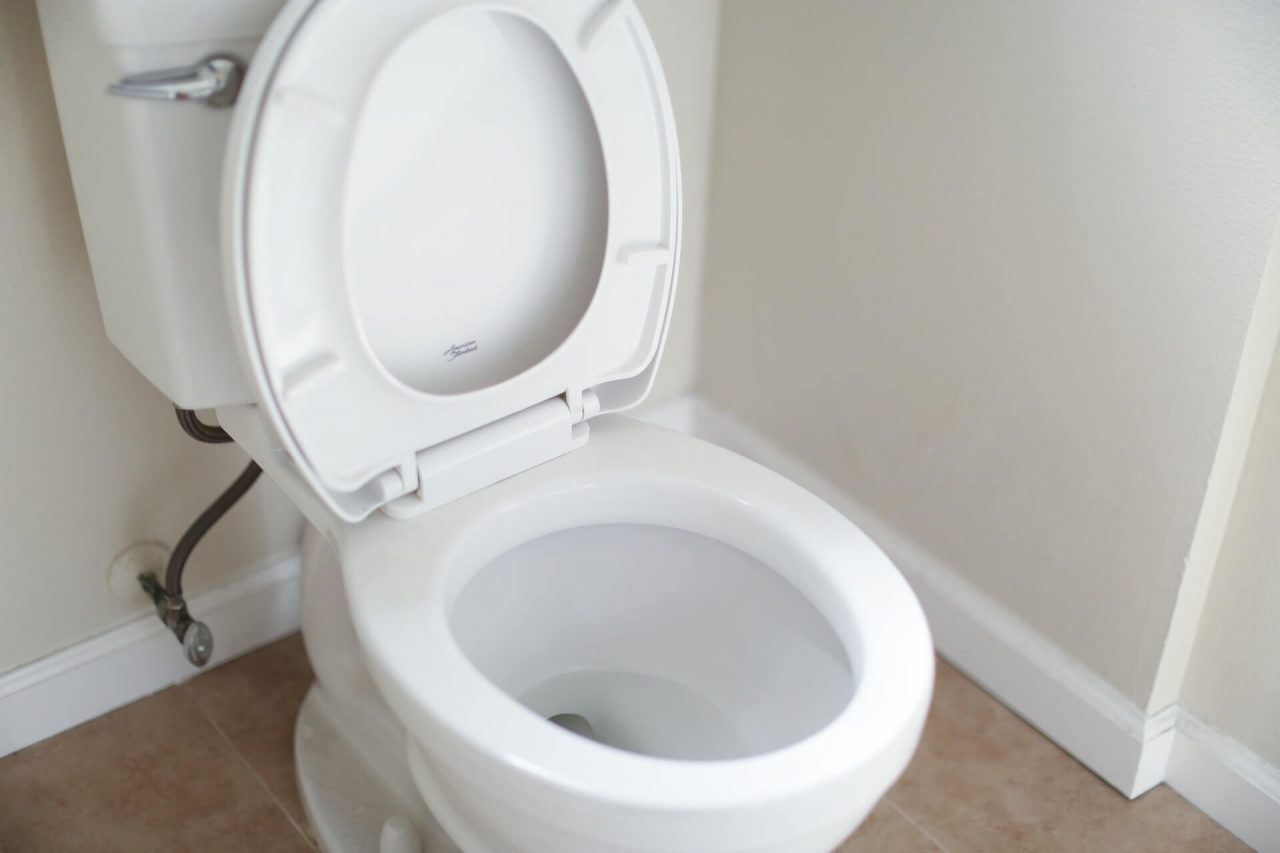
The toilet flange, sometimes called a closet flange, is the fitting located beneath the toilet. It connects the fixture outlet to the bathroom’s drainpipe while providing slots or holes for the mounting bolts.
A typical installation includes:
- The toilet bowl
- A wax or wax-free sealing ring
- Two closet bolts
- The toilet flange
- Fasteners securing the flange
- The drainpipe below
- A stable finished floor and subfloor
Each component has a different job.
The seal prevents wastewater and sewer gas from escaping at the connection. The flange anchors the toilet. The floor supports the fixture’s weight. If one part fails, the symptoms can resemble a problem with another.
This is why replacing the wax ring repeatedly may not solve a broken or poorly supported flange.
Four Clues That Help Identify the Problem
Before blaming the flange, pay attention to what the toilet does and when the symptom appears.
| What you notice | More likely possibilities |
|---|---|
| Water appears only after flushing | Failed seal, flange damage or drain restriction |
| The toilet rocks but the floor stays dry | Uneven flooring, loose mounting, broken flange or poor support |
| Water appears even when the toilet is not flushed | Supply line, shutoff valve, tank bolt, fill valve or condensation |
| The bowl gurgles or drains slowly | Toilet trap, branch drain, vent or sewer-line problem |
These are starting points, not a diagnosis. More than one defect can exist at the same time. A rocking toilet, for example, can damage its seal and create a leak that was not present when the movement began.
Water Appears Around the Base After Flushing
Water escaping from beneath the toilet after a flush suggests that the connection between the toilet and drain is no longer sealed.
Possible causes include:
- A compressed, damaged or misaligned wax ring
- A flange that sits too low after new flooring was installed
- A cracked or corroded flange
- Loose or damaged closet bolts
- A toilet that shifts during use
- A partial drain blockage forcing water back toward the connection
Do not keep flushing to “test” the leak. Water can travel beneath tile, vinyl or laminate without remaining visible around the toilet.
A coloured cleaning product in the bowl can also make the escaped water look unusual. Treat any liquid emerging from beneath the toilet during a flush as contaminated wastewater.
The Toilet Rocks or Shifts
A toilet should sit firmly on the finished floor.
Movement can break the seal beneath the bowl, loosen the mounting hardware and place stress on the flange. The longer the toilet rocks, the more likely a small mounting problem is to become a leaking connection.
The movement may come from:
- Loose closet bolts
- Broken bolt slots in the flange
- An uneven finished floor
- Missing or poorly placed shims
- A flange that is too high
- A flange that is no longer anchored securely
- Deteriorated subfloor around the drain opening
Do not keep tightening the nuts until the movement stops. Porcelain does not flex like metal. Excessive force can crack the toilet base and turn a flange repair into a toilet replacement.
Mounting Bolts Spin or Pull Free
Closet bolts slide into slots or keyways in the flange. If the metal has corroded or the plastic has cracked, the bolt may spin without tightening or pull out of position.
A new bolt will not hold properly if the section supporting it is broken.
Depending on the condition of the fitting, the repair may involve:
- Replacing the closet bolts
- Installing an approved flange repair ring
- Securing the existing flange to sound material
- Replacing the flange
- Repairing the floor around the drain opening
The correct repair depends on what remains structurally sound beneath the toilet.
A Sewer Odour Persists Near the Toilet
A damaged or poorly sealed connection can allow sewer gas to escape into the bathroom. However, an odour near the toilet can have other sources, including a dry drain trap, buildup beneath the rim, a nearby floor drain or a drainage problem.
Check when the smell is strongest.
An odour concentrated around the toilet base, especially after the fixture has moved or been reinstalled, makes the seal and flange worth inspecting. Gurgling, slow drainage or reactions in other fixtures point toward a different problem. The symptom patterns in a bubbling or gurgling toilet often relate to drainage or venting rather than the mounting flange.
A Broken Flange and a Failed Wax Ring Are Not the Same Repair
The wax ring seals the gap between the toilet outlet and the flange. It does not fasten the flange to the floor or repair broken bolt slots.
Replacing the seal may solve the problem when:
- The toilet was removed and reinstalled
- The old ring did not compress evenly
- The toilet shifted and disturbed the seal
- The flange is intact and properly supported
- The fixture can be seated without rocking
Flange repair may be needed when:
- The toilet cannot be secured
- Bolt slots are cracked or corroded
- The flange moves independently of the floor
- Part of the flange ring has broken away
- The fitting is badly positioned
- The connected drain section is damaged
Installing a new wax ring over an unstable flange leaves the underlying mounting problem in place. The toilet may begin moving again and disturb the new seal.
Why Toilet Flanges Fail
Flange damage often develops gradually. The visible leak may be the final result of movement, corrosion or an installation problem that has existed for some time.
The Toilet Was Allowed to Rock
A toilet that shifts transfers repeated force to the bolts and flange. Each movement can weaken the mounting slots, compress the seal unevenly and loosen the fasteners securing the flange.
Shims can stabilize a toilet on a slightly uneven floor, but they cannot compensate for a broken fitting or rotted subfloor.
Metal Components Corroded
Older metal flanges and repair components can corrode after prolonged exposure to moisture.
The moisture may come from:
- A failed toilet seal
- Condensation
- A leaking supply line
- A tank-to-bowl leak
- Wet mopping around an unsealed toilet base
- Earlier water damage beneath the flooring
Surface rust and structural loss are not the same. The toilet must be removed to see whether the flange can still hold bolts and remain anchored.
Plastic Flanges Cracked
Plastic flanges can crack around mounting slots, fastener holes or thin sections of the ring. Overtightened bolts, toilet movement and poor support can contribute to failure.
The extent of the crack determines whether a repair ring is suitable or the fitting needs replacement.
The Flange Height No Longer Matches the Floor
Bathroom renovations frequently change the finished floor height.
New tile, underlayment or another floor covering can leave the existing flange too low. Removing layers of flooring can leave it too high. Either condition can interfere with how the toilet rests and how the seal compresses.
Adding extra wax without assessing the height may hide the symptom for a while without creating a stable installation.
The Subfloor Has Deteriorated
A flange needs solid material beneath it. If leakage has softened or rotted the surrounding subfloor, new screws may not hold.
The damaged material must be exposed and assessed. A repair ring fastened into a weak floor will not provide dependable support.
Water beneath a toilet can extend farther than the visible stain. Soft flooring, darkened wood, loose tile or a persistent musty smell may indicate that the repair has moved beyond the flange itself.
Is the Flange Responsible for a Clogged Toilet?
Usually, no.
The flange forms the connection at the floor, but it does not normally cause an isolated clog inside the toilet trap. Slow drainage or repeated blockage may involve:
- Excess toilet paper
- Wipes or hygiene products
- An object lodged in the toilet trap
- A blocked bathroom branch
- A venting problem
- A main sewer-line obstruction
A severe restriction can force water toward a weak seal, making the base leak during a flush. In that situation, both the drainage problem and the failed seal need attention.
If the toilet gurgles, the bowl level changes unexpectedly, or nearby fixtures react when it is flushed, investigate the drain before assuming a new flange will solve the problem. Keeping wipes and other unsuitable products out of the toilet is also part of preventing clogged drains in a Toronto home.
When Should You Stop Using the Toilet?
Stop using it when:
- Wastewater appears at the base
- The fixture rocks enough to disturb the seal
- The floor feels soft
- The toilet has partially separated from its mounting
- A crack is visible in the porcelain
- Flushing causes water to rise elsewhere
- Sewage is backing up
- Water is spreading toward electrical equipment or a lower floor
Close the toilet’s shutoff valve if clean water is leaking from the supply connection, tank or fill system. The shutoff valve will not stop wastewater already moving through a blocked drain.
If the home has another working toilet, keep the affected fixture out of service until it can be removed and inspected. Saving Plumbing provides toilet flange diagnosis and toilet repair in Toronto for leaks, unstable fixtures and damaged mounting connections.
Can a Toilet Flange Be Repaired Without Replacing It?
Sometimes.
A flange repair is possible when the connected drainpipe remains sound and enough of the original fitting is intact to support an approved repair component. The plumber still needs solid material beneath the flange so the repaired assembly can be anchored properly.
Repair may be reasonable when:
- One bolt slot has broken
- A metal ring has corroded around its outer edge
- The flange body remains securely connected to the drain
- The surrounding floor is dry and structurally sound
- The fitting is positioned correctly
- A compatible repair ring can restore the mounting surface
Replacement is more likely when:
- The drain section of the flange is cracked
- The fitting moves with the toilet removed
- Damage extends into the connected drainpipe
- Corrosion has weakened most of the flange
- The fitting sits at an unworkable angle
- Earlier repair parts have failed
- The surrounding subfloor cannot hold fasteners
- The flange type is incompatible with the existing pipe
The repair part must match the flange, pipe material and condition. A universal-looking ring is not necessarily suitable for every installation.
What Is a Toilet Flange Repair Ring?
A repair ring provides a new mounting surface over or around a damaged flange. It can restore the areas that hold the closet bolts and allow the toilet to be secured again.
A repair ring does not correct every flange problem.
It will not:
- Repair a cracked drainpipe
- Rebuild a rotten subfloor
- Correct a severely misaligned drain
- Remove a blockage
- Stop a supply-line leak
- Fix an unstable toilet without proper floor support
- Compensate for every incorrect flange height
The ring must be secured through the correct holes and into sound supporting material. Fasteners that bite only into soft or deteriorated flooring will loosen again.
Manufacturer instructions also matter. Oatey’s toilet flange repair guidance distinguishes a damaged flange ring from damage involving the drain section. It recommends professional replacement when the connected drain portion is compromised.
What If the Flange Sits Below the Finished Floor?
A flange can end up below the finished floor after tile, underlayment or another floor covering is installed.
The toilet may still appear to fit, but the gap can prevent the seal from compressing as intended. Possible results include:
- Water leaking during a flush
- Sewer odours
- A seal that fails soon after installation
- Movement at the toilet base
- An attempted repair using excessive wax
A compatible flange extender or spacer may be used when the original fitting is secure and the installation allows it. The purpose is to correct the height while preserving a stable, properly sealed connection.
Stacking materials without measuring the gap is not a sound repair. The plumber should confirm:
- Existing flange condition
- Finished floor height
- Drain opening size
- Extension thickness
- Bolt length and position
- Compatibility with the selected seal
- Whether the toilet rests fully on the floor
The toilet’s weight should be supported by the floor, not suspended on a flange or an oversized seal.
What If the Flange Sits Too High?
A high flange can prevent the toilet base from making full contact with the floor.
This may cause the fixture to rock even when the mounting bolts are tight. Adding more force to the bolts can crack the porcelain without correcting the height problem.
The plumber needs to determine why the flange is high. Possible explanations include:
- Finished flooring was removed
- The flange was installed at the wrong elevation
- The drainpipe projects too far above the floor
- A previous extension was left in place
- The flange is tilted rather than uniformly high
The solution depends on the pipe material and how the flange is connected. A toilet should not be forced onto a fitting that prevents the base from sitting properly.
What Happens When the Subfloor Is Damaged?
Subfloor damage changes the repair considerably.
The toilet may have been leaking slowly for months before water became visible. By then, moisture may have affected wood beneath the finished surface.
Warning signs include:
- Softness beside the toilet
- Loose or cracked tile
- Darkened wood around the drain opening
- Fasteners that will not tighten
- A persistent musty smell
- Staining on the ceiling below
- A flange that moves when touched
- Previous caulking hiding moisture at the base
Removing the toilet allows the actual damage to be seen. Wet materials must be dried, and weakened sections may need repair or replacement before the flange is secured.
Plumbing work and floor repair may involve different trades. The estimate should identify who is responsible for opening the floor, replacing damaged material and restoring the finished surface.
A new flange installed over soft wood is not a finished repair.
Does the Wax Ring Need Replacement?
A wax ring should not normally be reused after the toilet has been lifted. Once compressed and disturbed, it may no longer form a dependable seal.
The replacement seal must suit:
- Flange height
- Toilet outlet
- Floor condition
- Drain opening
- Manufacturer requirements
- The type of flange repair completed
Wax-free seals are available, but they are not automatically better for every bathroom. Compatibility and correct installation matter more than the product category.
The seal should also not be used to stabilize a rocking toilet. Floor support, flange position and mounting must be corrected first.
What a Professional Toilet Flange Repair Involves
A straightforward flange repair commonly follows this sequence:
- Shut off the toilet’s water supply.
- Drain the tank and bowl.
- Disconnect the supply line.
- Remove the mounting nuts and toilet.
- Remove the old sealing material.
- Inspect the flange, drain connection and surrounding floor.
- Identify the pipe and flange materials.
- Repair or replace the damaged fitting.
- Correct the height where required.
- Install new bolts and a suitable seal.
- Reset the toilet without disturbing the seal.
- Stabilize and secure the fixture.
- Reconnect the water supply.
- Flush-test the toilet and inspect for leaks.
The sequence may change if the drainpipe or floor needs repair.
A plumber should test more than once and check the tank, supply connection and toilet base. Water found near the floor can come from more than one location.
Can You Repair a Toilet Flange Yourself?
A homeowner with the right tools may be able to replace closet bolts or install a manufacturer-approved repair ring when the problem is fully exposed and limited to an intact flange body.
The difficult part is determining whether that limited repair is appropriate.
Consider professional repair when:
- The flange material is uncertain
- The toilet is heavy or difficult to lift safely
- Wastewater has reached the floor
- The flange connects to cast iron
- The drain section is cracked
- The floor is soft or damaged
- The flange height needs correction
- Earlier repairs have failed
- The toilet continues to rock
- Other fixtures are gurgling or backing up
Removing a toilet also exposes an open drain. Keep the opening protected during the work so tools, debris and sewer gas do not enter the bathroom.
Never overtighten the mounting bolts. A cracked toilet can leak suddenly and may need complete replacement.
Repair the Flange or Replace the Toilet?
A damaged flange does not always mean the toilet itself needs replacement.
The existing toilet may be reusable when:
- The porcelain is not cracked
- The base is intact
- The outlet is not damaged
- The fixture sits properly after the flange repair
- Replacement parts remain available
- The toilet otherwise flushes and fills correctly
Replacement may make more sense when:
- The porcelain base is cracked
- The bolt area has broken
- The toilet has recurring internal problems
- The fixture was poorly matched to the rough-in
- Repair and reinstallation costs approach the cost of a suitable replacement
- The homeowner already planned a bathroom upgrade
The flange should still be inspected before installing a new toilet. A new fixture will not solve a broken mounting surface or damaged floor.
How Much Does Toilet Flange Repair Cost in Toronto?
The price depends on what is found after the toilet is removed.
A basic repair involving new bolts, a seal and a repair ring will usually cost less than replacing a flange connected to damaged pipe. Subfloor restoration, cast-iron work, restricted access and toilet replacement can increase the total.
Cost factors include:
- Service-call or diagnostic fee
- Toilet removal and resetting
- Flange and pipe material
- Repair ring, extender or replacement flange
- Condition of the drain connection
- Floor and subfloor damage
- New mounting hardware and seal
- Toilet condition
- Accessibility
- Emergency or after-hours scheduling
- Required restoration
Saving Plumbing’s current Toronto plumbing cost guide places general toilet repairs in the $150 to $350 range and toilet installation between $250 and $600, excluding the fixture. A flange repair can fall outside those ranges when the floor, drainpipe or surrounding structure needs additional work.
Those figures are budgeting references, not a quote for a specific bathroom. The full condition of the flange is often unknown until the toilet is lifted.
Is a Leaking Toilet Flange an Emergency?
A slight toilet movement without visible leakage may allow for a scheduled repair, provided the fixture is taken out of use.
Request urgent help when:
- Wastewater is escaping
- The toilet is close to detaching
- The floor feels unstable
- Water is entering the ceiling below
- The toilet cannot be shut off
- Sewage is backing up through another fixture
- The bathroom is the property’s only working toilet
- Water is approaching electrical wiring or fixtures
If the leak is active, stop flushing. Use another bathroom if one is available.
Saving Plumbing accepts emergency plumbing calls in Toronto 24 hours a day. Dispatch timing depends on location, call volume and technician availability.
Questions to Ask Before Approving the Repair
A useful estimate should explain the defect and the limits of the work.
Ask:
- Is the flange broken, or has only the seal failed?
- Is the flange attached securely to the drain?
- Is the surrounding floor still sound?
- Does the flange height need correction?
- Will a repair ring provide adequate support?
- Does the complete flange need replacement?
- Is any part of the drainpipe damaged?
- Can the existing toilet be reused?
- Is floor restoration included?
- What happens if concealed damage is found?
- What warranty applies to the repair?
- Will the toilet be flush-tested after installation?
Photographs taken after the toilet is removed can help document what was found before the area is covered again.
Preventing Another Flange Failure
A repaired flange lasts longer when the toilet remains stable and nearby leaks are handled early.
After the repair:
- Check that the toilet does not rock.
- Watch the base during several flushes.
- Address a leaking supply line promptly.
- Do not overtighten mounting nuts.
- Avoid leaning heavily against the toilet tank.
- Investigate stains or softness near the base.
- Have the flange reassessed if the toilet is removed during flooring work.
- Confirm flange height before installing thicker bathroom flooring.
A small movement should not be ignored. Toilet motion places stress on the seal, bolts and flange every time the fixture is used.
Toilet Flange Repair Questions
Can a broken toilet flange cause a leak?
Yes. A broken flange can allow the toilet to move or prevent the seal from compressing correctly. Water may then escape beneath the toilet during a flush. A failed seal can also leak when the flange itself is intact.
Why does my toilet leak only when flushed?
A leak that appears during flushing often involves the seal between the toilet and flange. A cracked bowl, drainage restriction or damaged flange can produce a similar symptom. Stop using the toilet until the source is confirmed.
Can I replace the wax ring without repairing the flange?
Only if the flange is intact, secure and positioned correctly. A new wax ring will not repair broken bolt slots, a loose fitting, an incorrect height or damaged flooring.
Will caulking around the toilet stop a flange leak?
No. Caulk around the toilet base does not repair the concealed connection. It may hide escaping water and delay the discovery of floor damage.
Why does my toilet still rock after tightening the bolts?
The floor may be uneven, the flange may be too high, the bolt slots may be damaged, or the subfloor may no longer hold the fitting securely. Further tightening can crack the toilet.
Does a plumber have to remove the toilet to inspect the flange?
Usually, yes. The flange and sealing ring sit beneath the toilet. Removing the fixture allows the plumber to inspect the fitting, bolts, pipe connection and surrounding floor.
Can a toilet flange be repaired without opening the floor?
Sometimes. A repair ring may restore a damaged mounting surface when the flange body, drain connection and floor remain sound. Full replacement or structural damage may require the floor around the fitting to be opened.
How long should a toilet flange repair take?
A straightforward repair may be completed during one visit. Drainpipe damage, difficult toilet removal, flange replacement or subfloor restoration can extend the work. The plumber should assess the exposed connection before giving a firm completion estimate.
Stop the Movement Before It Damages the Floor
A toilet that rocks or leaks at the base should be taken out of service. The flange, seal and floor work together, so replacing one part without checking the others can leave the real fault untouched.
Saving Plumbing provides residential toilet and flange repairs across Toronto and supported GTA communities. Call (416) 271-6745 to arrange an assessment, or contact a licensed Toronto plumber if you are uncertain whether the water is coming from the flange, tank or supply connection.