
Scarborough homeowners can prevent frozen pipes before winter by insulating exposed water lines, disconnecting outdoor hoses, sealing cold-air leaks, maintaining indoor heating, and locating their main water shut-off valve.
Water pipes are particularly vulnerable when temperatures fall below freezing and cold air reaches plumbing inside exterior walls, basements, crawl spaces, garages, and other unheated areas.
The City of Toronto recommends taking additional precautions when nighttime temperatures are forecast to drop below -10°C. Pipes that freeze can interrupt your water supply and may burst, causing water damage when the ice thaws.
Preparing your plumbing in October helps reduce the risk of winter plumbing emergencies. If your home has experienced frozen pipes before, Saving Plumbing’s frozen pipe repair service in Scarborough can help you address vulnerable plumbing before another cold spell.
Why Do Water Pipes Freeze in Scarborough Homes?
Water pipes freeze when the water inside them loses enough heat to form ice. As ice develops, it can restrict water flow and create pressure within the plumbing system. This pressure can cause a pipe or fitting to rupture.
Several conditions increase the risk of frozen pipes in Scarborough homes:
- Poor insulation: Pipes in uninsulated walls, crawl spaces, or garages lose heat more quickly.
- Cold-air drafts: Gaps around foundations, windows, and pipe penetrations allow freezing air to reach water lines.
- Unheated spaces: Plumbing in garages, unfinished basements, and exterior structures may be exposed to freezing conditions.
- Outdoor water connections: Garden hoses and exterior faucets can retain water that freezes during cold weather.
- Insufficient indoor heating: Low temperatures inside a home increase the risk of freezing, especially during extended absences.
A pipe does not have to be directly outdoors to freeze. A water supply line inside an exterior wall can freeze if insufficient insulation or air leakage exposes it to prolonged cold.
Which Pipes Are Most Likely to Freeze in a Scarborough House?
Pipes in exterior walls and poorly heated spaces are generally more vulnerable than plumbing located in consistently heated interior rooms.
| Pipe location | Why freezing can occur | Preventive action |
|---|---|---|
| Exterior walls | Cold air and inadequate insulation | Insulate and address drafts |
| Unfinished basements | Cold foundation surfaces and exposed piping | Insulate vulnerable lines |
| Crawl spaces | Limited heating and outdoor air infiltration | Seal drafts and insulate |
| Garages | Low temperatures, especially near garage doors | Protect pipes and keep doors closed |
| Outdoor faucets | Water remains exposed to freezing temperatures | Disconnect hoses and drain lines |
| Water meter area | Cold air can reach incoming supply piping | Maintain heating and seal air leaks |
Pay particular attention to pipes that froze during previous winters. Repeated freezing may indicate an underlying insulation, heating, or plumbing-location problem that requires professional assessment.
How Can You Prevent Frozen Pipes Before Winter?
There are 7 essential steps Scarborough homeowners can take before freezing temperatures arrive.
1. How Should You Insulate Exposed Water Pipes?
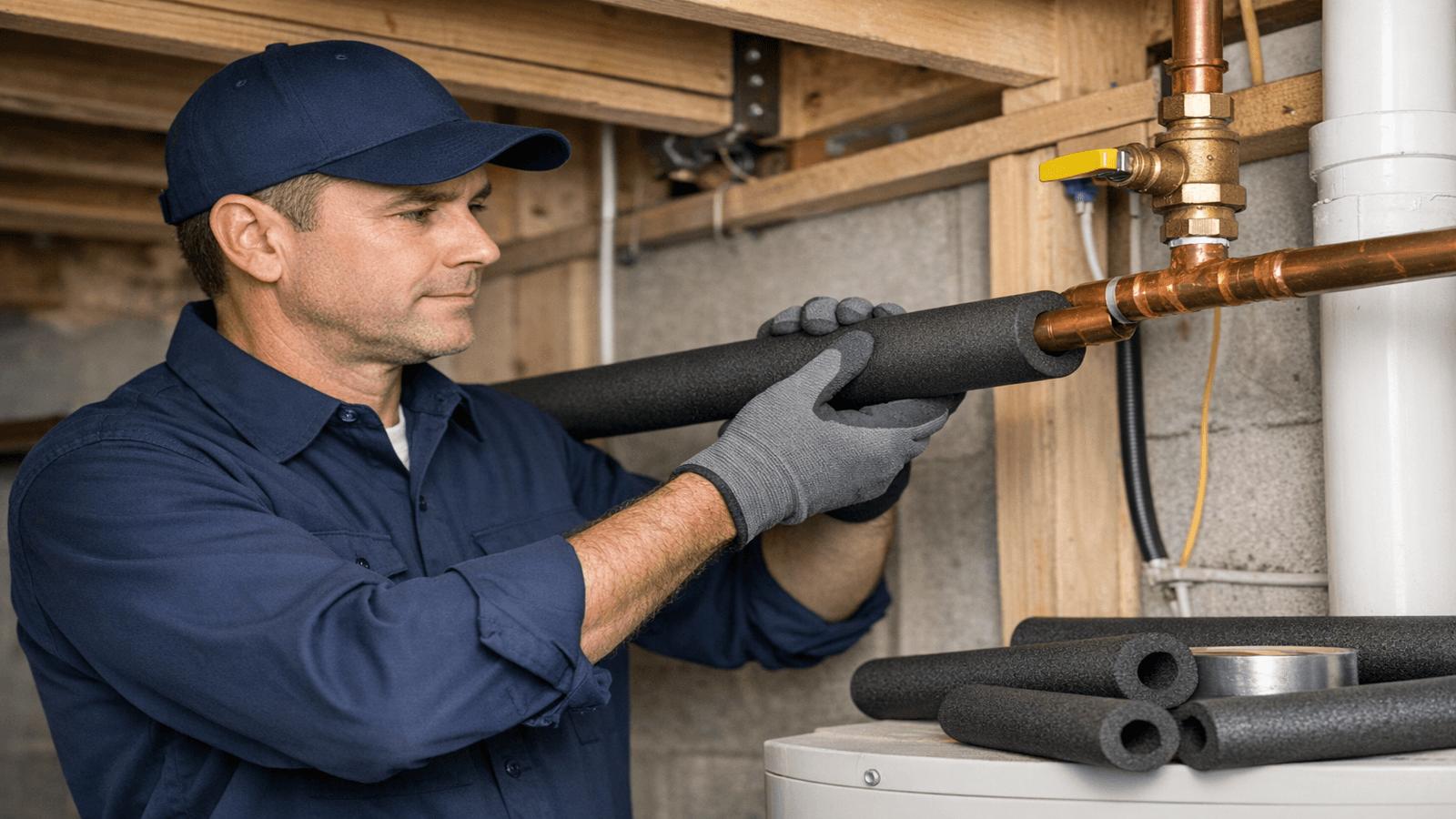
Install suitable pipe insulation around vulnerable water lines in basements, garages, crawl spaces, and other cold areas.
Foam pipe sleeves are commonly used for accessible residential water lines. Choose insulation sized for the pipe diameter and follow the manufacturer’s installation instructions.
Focus on:
- Cold-water lines near exterior foundation walls.
- Exposed pipes in unheated or poorly heated spaces.
- Water supply pipes running through garages.
- Plumbing around vulnerable utility areas.
Pipe insulation slows heat loss, but it does not generate heat. Insulation alone may not prevent freezing when pipes remain exposed to severe cold for extended periods.
If pipes repeatedly freeze, ask a plumber whether improvements to pipe routing, heating, or additional freeze protection are necessary.
2. How Do You Winterize Outdoor Faucets and Garden Hoses?
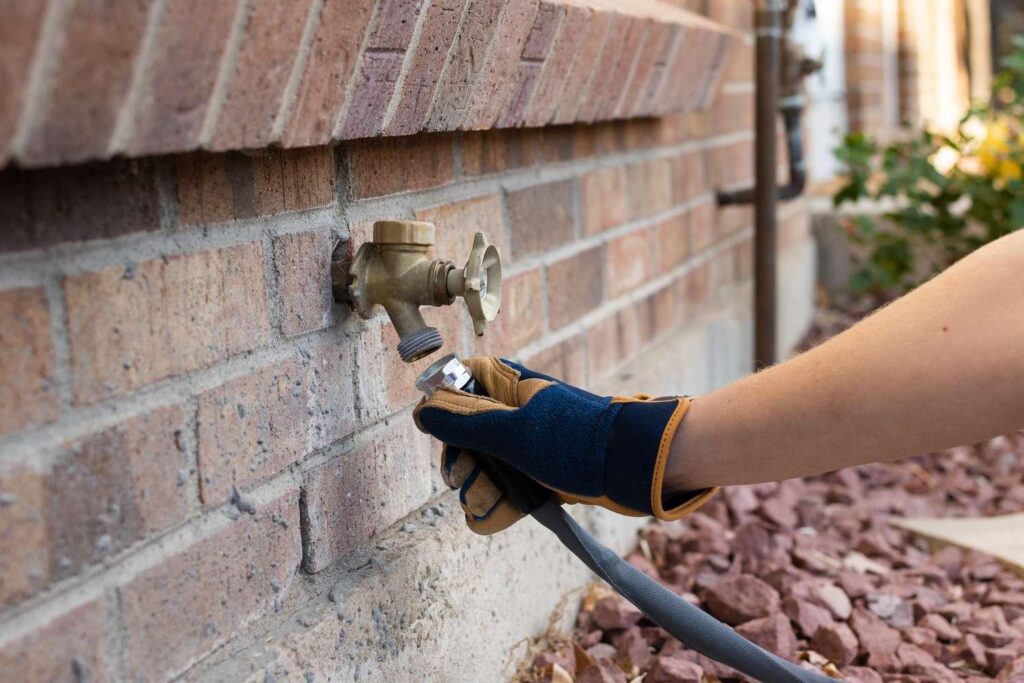
Outdoor faucets are among the first plumbing fixtures to freeze because they are directly exposed to cold weather.
Before the first frost:
- Disconnect garden hoses, splitters, and outdoor watering attachments.
- Locate the indoor shut-off valve serving the exterior faucet, if installed.
- Close the valve.
- Open the outdoor faucet to drain the remaining water.
- Follow the valve manufacturer’s instructions for draining any trapped water.
A hose left connected can trap water inside the faucet assembly, increasing the risk of freeze damage.
Frost-free hose bibbs provide added protection when installed correctly, but they should still have hoses disconnected before winter.
If an outdoor faucet leaks, does not drain properly, or has no suitable shut-off arrangement, have it inspected before freezing weather.
3. How Can You Stop Cold Air From Reaching Water Pipes?
Seal openings that allow outside air to enter spaces containing plumbing.
Inspect areas around:
- Basement windows and foundation penetrations.
- Pipe openings through exterior walls.
- Dryer vents and utility penetrations.
- Garage doors and surrounding weatherstripping.
- Accessible gaps near plumbing inside exterior walls.
Use appropriate sealing materials for each opening. Do not obstruct required ventilation or appliance clearances.
Stopping cold-air infiltration can protect water pipes in locations where room temperatures appear comfortable but localized drafts create freezing conditions.
4. What Indoor Temperature Helps Protect Pipes From Freezing?
Keep areas containing indoor water pipes above 8°C, as recommended by the City of Toronto, especially around the water meter.
This is a minimum protective precaution, not a guarantee that every concealed pipe will remain unfrozen. Hidden plumbing in poorly insulated exterior walls can experience temperatures lower than the surrounding room.
During extreme cold:
- Maintain consistent indoor heating.
- Avoid leaving rooms containing exposed plumbing unheated.
- Keep garage doors closed when water supply lines run through the garage.
- Open sink cabinet doors where necessary to circulate warm indoor air around vulnerable pipes.
- Pay attention to cold basement corners and water meter areas.
When forecasts call for unusually low overnight temperatures, monitor areas where pipes froze previously.
5. Why Should You Locate Your Main Water Shut-Off Valve?
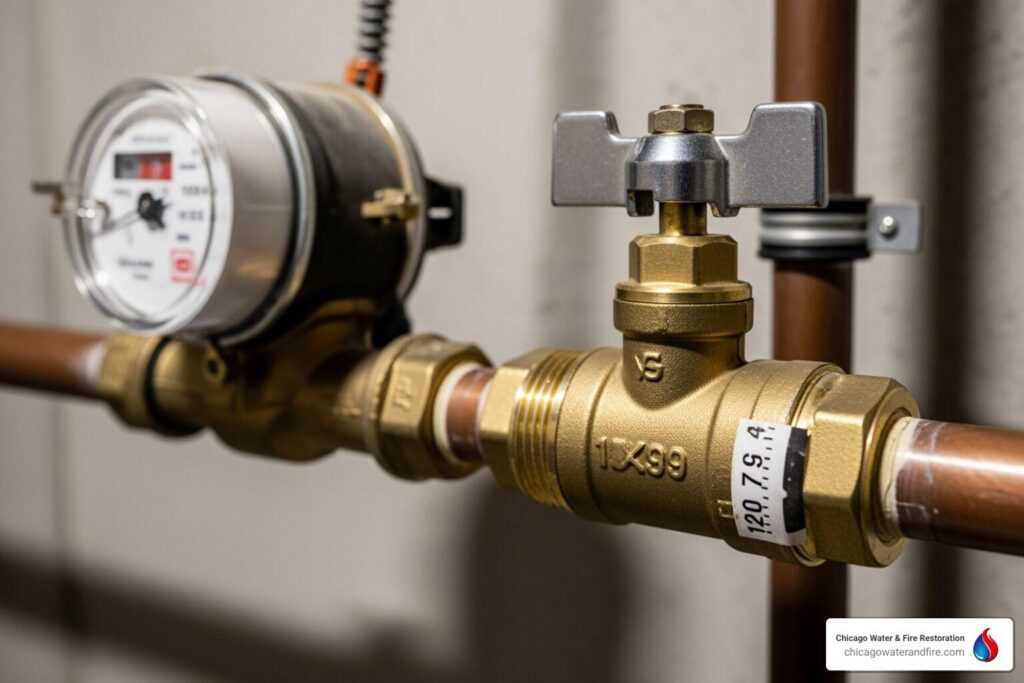
Knowing where the main shut-off valve is located allows you to stop water entering your home’s plumbing system if a pipe bursts.
In many Scarborough homes, the valve is found in the basement near the foundation wall where the municipal water service enters the property, typically before the water meter.
Before winter:
- Locate the main shut-off valve.
- Make sure it is accessible.
- Identify how it operates.
- Check for visible corrosion or leakage.
- Contact a plumber if the valve is damaged, seized, or unreliable.
Do not force a stuck valve.
If a pipe bursts, shutting off the main supply promptly can reduce additional water damage.
6. How Can You Protect Pipes While Away on Winter Vacation?
An unattended home can experience extensive damage if a frozen pipe bursts and water continues flowing.
Before leaving Scarborough for an extended winter trip:
- Maintain appropriate heating throughout the house.
- Insulate vulnerable exposed water pipes.
- Check that doors and windows close securely.
- Consider closing the main water supply and draining internal plumbing in accordance with your home’s system requirements.
- Arrange for someone to check the property regularly.
Homes with hydronic heating, fire sprinklers, or other water-dependent systems may require special procedures. Get professional advice before shutting off the water supply.
Check your home insurance policy for requirements relating to heating, water shutoffs, and inspections during extended absences.
7. When Should You Schedule a Pre-Winter Plumbing Inspection?
A professional inspection is particularly valuable when a property has previously experienced frozen pipes, unexplained winter water-pressure problems, or visible leaks near exposed plumbing.
A plumber can assess:
- Vulnerable pipe locations.
- Deteriorated pipe insulation.
- Outdoor faucet and shut-off valve condition.
- Evidence of leaks or previous freeze damage.
- Appropriate options for protecting repeatedly frozen sections.
A pre-winter inspection can help identify problems before they turn into emergency repairs.
Scarborough homeowners can contact Saving Plumbing for help assessing residential plumbing concerns ahead of winter.
What Should You Do When Temperatures Drop Below -10°C?
The City of Toronto advises residents to take additional measures when nighttime temperatures are forecast below -10°C.
Along with insulating pipes and maintaining heating, homeowners should allow warm indoor air to circulate around plumbing in vulnerable locations.
For pipes at particular risk of freezing, the City also identifies a pencil-thin stream of running water as an optional temporary precaution.
If using this measure, run cold water from a low-level faucet with a clear drain and account for the additional water charges. Do not leave water running into a blocked or unreliable drain.
Running water is not a substitute for correcting poor insulation, drafts, or inadequate heating.
How Can You Tell if a Water Pipe Has Started to Freeze?
The most common warning signs of a frozen pipe include:
- Little or no water flowing from a faucet.
- A sudden loss of water supply during freezing weather.
- Visible frost or ice on accessible water pipes.
- Unusual water flow problems affecting a specific fixture or section of the home.
Not every loss of water pressure means a pipe has frozen. A closed valve, supply interruption, or other plumbing issue can produce similar symptoms.
If multiple homes on your street suddenly lose water, a municipal supply problem may be involved.
If only one part of your home is affected during extreme cold, an internal frozen pipe becomes a stronger possibility.
What Should You Do if Your Pipes Are Already Frozen?
If you suspect a frozen water pipe, locate the main shut-off valve and inspect accessible plumbing for signs of damage or leakage.
Do not use a blowtorch, open flame, or unattended portable heater to thaw a frozen pipe.
Where the frozen section is accessible and there is no evidence of rupture or electrical danger, gentle warming with an electric heating pad, a safely operated hair dryer, or warm towels may help.
Keep the affected faucet open during controlled thawing, and monitor the plumbing for leakage as water flow returns.
Stop immediately if you discover a burst pipe, active leak, or unsafe condition.
If you cannot locate the frozen section, cannot safely thaw it, or suspect pipe damage, arrange a professional inspection.
For assistance, visit Frozen Pipe Repair in Scarborough.
When Should You Call a Plumber for Frozen Pipe Problems?
Contact a plumber when:
- A pipe has burst or is actively leaking.
- Your home has no water and the cause is uncertain.
- A frozen section is concealed behind a wall or ceiling.
- The same pipe freezes repeatedly.
- Outdoor faucets or shut-off valves are damaged.
- You cannot safely access or thaw the affected plumbing.
If a pipe bursts, close the main water supply when safe and avoid electrical equipment near standing water.
For urgent plumbing problems, contact Saving Plumbing’s emergency plumbing service in Scarborough.
If you have no water and the problem may involve the municipal supply, contact Toronto 311 for assistance. The City can investigate and clarify whether the frozen section is on public or private property.
What Are the Most Common Questions About Frozen Pipes in Scarborough?
Can Pipes Freeze Even When the Heat Is On?
Yes. Pipes inside poorly insulated exterior walls, cold crawl spaces, and drafty areas can freeze even when the home’s main living spaces are heated.
Maintaining indoor heating and preventing cold-air infiltration are both important.
At What Temperature Do Water Pipes Freeze?
Water freezes at approximately 0°C under normal atmospheric conditions. However, a pipe does not necessarily freeze as soon as the outdoor temperature reaches 0°C.
Freezing risk depends on how long the pipe is exposed to cold, its insulation, surrounding air temperature, and water movement.
Does Pipe Insulation Completely Prevent Freezing?
No. Insulation reduces heat transfer but cannot guarantee protection during prolonged freezing conditions. Pipes in extremely cold spaces may require additional protection.
Should You Leave Faucets Dripping During Winter?
Running a small stream of water may help vulnerable pipes during severe cold, but it uses additional water and does not fix underlying insulation problems.
The City of Toronto identifies a pencil-thin stream as an optional precaution during extreme conditions.
Can Frozen Pipes Burst After They Thaw?
Yes. Damage may occur while ice is present, but leakage may not become apparent until the ice melts and water flow resumes.
Always check affected pipes and nearby fittings for leaks after thawing.
When Is the Best Time to Winterize Plumbing in Scarborough?
Early to mid-fall is a practical time to inspect insulation, disconnect outdoor hoses, and repair vulnerable plumbing, ideally before the first frost.
October provides an opportunity to complete these tasks before sustained winter cold arrives.
How Can Scarborough Homeowners Keep Pipes Protected All Winter?
Preventing frozen pipes starts with identifying the parts of your plumbing system exposed to cold temperatures.
Insulating accessible water lines, draining outdoor faucets, sealing drafts, maintaining indoor heat, and preparing for emergency shutoffs can significantly reduce the risk of freeze-related plumbing damage.
If your home has experienced frozen pipes or you are concerned about vulnerable water lines, Saving Plumbing can help assess your plumbing and recommend suitable preventive measures.
Need help protecting your Scarborough home’s plumbing before winter?
Visit Saving Plumbing in Scarborough or call 416-271-6745 to discuss your plumbing concerns and arrange service.
