
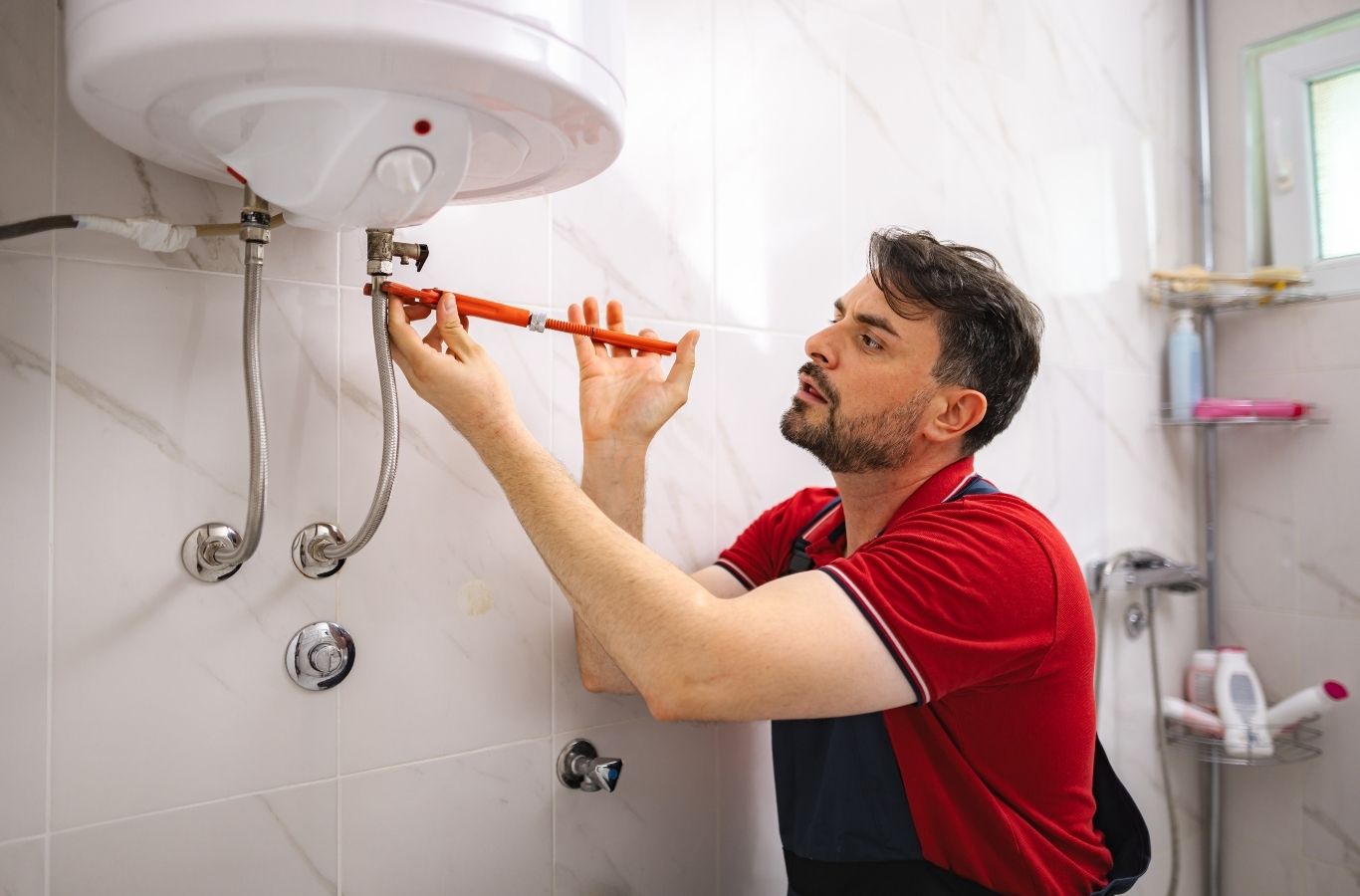
A vacation should not end with a flooded basement, burst supply line or water-damage claim waiting at home.
Plumbing failures become much more serious when a property sits unattended because even a small leak can continue for hours or days before anyone notices it. Before leaving Toronto or the GTA for an extended trip, take a few minutes to reduce pressure on the plumbing system, inspect vulnerable connections and make sure critical flood-protection equipment is ready.
The City of Toronto specifically recommends that homeowners know the location of their main water shutoff and notes that, when going on vacation, shutting off the main supply and draining water from the plumbing can help protect against leaks and frozen pipes.
1. Decide Whether to Shut Off Your Main Water Supply
For many homeowners, the single most effective vacation plumbing precaution is turning off the home’s main water shutoff valve.
Closing the main valve removes continuous municipal water pressure from much of the plumbing system. If a toilet connector, washing-machine hose or pipe fails while you are away, there is therefore much less water available to feed the leak.
The main valve is typically located where the incoming water service enters the house, often near the water meter or foundation wall.
Before leaving:
Turn the valve fully closed, open a faucet briefly to relieve pressure, and confirm that the water flow stops.
There is an important exception. Do not simply shut off the entire supply if doing so could interfere with a fire-sprinkler system, boiler, hydronic heating system or another water-dependent safety system. For those homes, have a plumber or heating professional determine the correct shutdown procedure. Travelers gives the same caution when recommending water shutoff for extended absences
2. Shut Off Water to High-Risk Appliances
If you are not shutting down the entire house, isolate appliances that commonly develop supply-line leaks.
Pay particular attention to your:
Washing machine. Close both hot and cold supply valves.
Dishwasher. Shut its dedicated water valve where accessible.
Refrigerator or ice maker. Inspect the small supply line for kinks, cracks or loose fittings.
Water softener and filtration equipment. Follow the manufacturer’s vacation or bypass instructions.
Water-connected appliances and flexible supply lines can fail without warning. Travelers recommends knowing the individual shutoffs for washing machines, dishwashers, toilets, sinks and other fixtures so leaks can be isolated quickly. Travelers
3. Put Your Water Heater in the Correct Vacation Setting
Your water heater normally does not need to maintain a full tank of very hot water while nobody is home.
Many modern gas water heaters have a Vacation setting that reduces energy consumption while maintaining basic protection. Electric and tankless systems have different shutdown requirements, so follow the manufacturer’s instructions rather than simply disconnecting equipment.
If you shut off the home’s water supply, make sure your water-heater configuration is compatible with that decision. Never drain or energize a conventional tank water heater incorrectly; heating an empty tank can damage the unit.
For longer absences, this is one area where a plumber can quickly confirm the safest configuration for your particular system.
4. Inspect Appliance Hoses and Plumbing Connections
A vacation is a good trigger for a five-minute visual plumbing inspection.
Look beneath sinks, behind toilets and around appliances for:
- moisture or staining;
- corrosion around valves;
- bulging or cracked hoses;
- loose fittings;
- mineral deposits;
- rust around the water heater;
- damp flooring or cabinetry.
Those small warning signs matter. Water damage commonly results from deterioration in pipes, valves and appliance connections rather than dramatic pipe failures. Travelers
If a washing-machine hose looks brittle or a toilet connector is corroded, replace it before leaving rather than hoping it survives another week.
5. Test for Hidden Leaks Before You Leave
Your water meter can reveal leaks that are not obvious from a visual inspection.
Turn off every faucet, appliance and irrigation source that uses water. Then check the meter.
The City of Toronto advises homeowners that movement of the small leak indicator on the meter while no water is being used can indicate a plumbing leak. City of Toronto
If the meter continues to register usage, investigate the problem before departure. Common hidden sources include running toilets, underground service-line leaks and dripping fixtures.
6. Don’t Forget Toilets and Drain Traps
You generally do not want to empty every drain trap for a normal vacation.
The water sitting in P-traps beneath sinks, tubs and floor drains forms a seal that keeps sewer gases from entering the home. In a property that will remain vacant for an extended period, rarely used drains can eventually evaporate.
Before leaving, run a little water through infrequently used floor drains, basement sinks and guest bathrooms.
Also inspect each toilet for silent leaks. A deteriorated flapper can waste substantial water while the house is empty. If you are leaving for a long period and shutting off the water, individual toilet supply valves can also be closed.
7. Test Your Sump Pump Before Vacation
For a home with a basement, the sump pump deserves as much attention as the main shutoff.
Heavy rainfall does not care that you are on vacation.
Pour water into the sump pit until the float rises. Confirm that the pump:
starts automatically;
removes the water quickly;
shuts itself off correctly;
and discharges water away from the foundation.
Also inspect the pit for sediment or debris that could obstruct the float.
Travelers specifically recommends checking that the sump pit is clean and testing the pump before leaving home. Travelers
8. Make Sure Your Sump-Pump Backup Actually Works
A primary sump pump cannot protect your basement during an outage if it has no backup power.
If you have a battery backup sump pump, test the backup independently rather than assuming the battery is healthy. Check the battery age, terminals, alarm and charger.
A water-powered backup is another option for homes with compatible municipal water systems.
This creates an important plumbing relationship many homeowners overlook:
heavy storm → power outage → sump pump stops → rising groundwater → basement flooding.
A backup system breaks that chain.
9. Install Smart Leak Detection Before Longer Trips
Smart water monitoring is one of the biggest improvements in vacation plumbing protection.
Simple leak sensors can be positioned near:
washing machines;
water heaters;
dishwashers;
sump pits;
toilets;
under-sink cabinets.
More sophisticated systems monitor water flow at the main supply. If unusual continuous flow is detected, some systems can automatically close a motorized shutoff valve and send an alert to your phone.
Travelers recommends both leak sensors and automatic shutoff systems as ways to detect problems before they become major water losses.
For homeowners who travel frequently, a whole-home automatic shutoff adds a layer of protection that manual preparation cannot provide.
10. Prepare Differently for a Winter Vacation
Toronto homeowners leaving during winter have another problem to account for: frozen pipes.
Do not turn your furnace off.
Even if the main water supply is closed, plumbing remaining inside exterior walls can freeze. Insurance guidance commonly recommends maintaining the home at approximately 55°F / 13°C or warmer when it will be vacant during freezing weather.
Before departure, also:
disconnect exterior garden hoses;
shut off and drain outdoor hose bibs where applicable;
keep interior doors open enough for warm air to circulate;
open sink cabinets where vulnerable piping runs along exterior walls;
and make sure someone can check the property during severe cold.
What About Leaving Faucets Dripping?
This advice depends on the situation.
A slow drip can sometimes help reduce freezing risk during an extreme cold event when the water remains turned on. But it is not a substitute for proper winterization, insulation or maintaining adequate indoor heat.
If you are shutting off and draining the plumbing for an extended winter absence, leaving a faucet dripping serves no purpose because the supply has already been isolated.
Vacation Plumbing Checklist 2026
Before locking the door, confirm:
☐ Main water shutoff location is known and functional
☐ Main supply is closed if appropriate
☐ Washing-machine and dishwasher valves are closed
☐ Water heater is set correctly
☐ Toilets are not running
☐ Appliance hoses show no damage
☐ Water meter shows no unexplained flow
☐ Drain traps contain water
☐ Sump pump has been tested
☐ Backup sump pump or battery works
☐ Leak sensors are online
☐ Outdoor hoses are disconnected
☐ Winter heat remains on if temperatures may freeze
☐ A trusted person has access to the property
How Long Do You Need to Be Away Before Shutting Off the Water?
There is no universal number of days.
For a weekend trip, a full shutdown may be unnecessary if the plumbing is in good condition and smart monitoring is installed. For a week or longer, especially in an older property, isolating the water supply can substantially reduce exposure to unattended leaks.
The condition of your plumbing matters more than the calendar. Homes with aging appliance hoses, older valves, previous leaks or a history of frozen pipes deserve additional precautions.
Should You Turn Off the Water When Leaving for Vacation?
In many homes, yes, particularly for an extended absence. The City of Toronto specifically identifies shutting off the main supply and opening faucets to drain plumbing as a vacation precaution against leaks and freezing. City of Toronto
However, confirm first that shutting off domestic water will not interfere with fire suppression, hydronic heating or another building system.
Should You Turn Off the Water Heater While on Vacation?
Not necessarily.
A vacation setting is usually preferable to completely shutting down a conventional water heater for a short absence. Tankless systems and electric tanks have different procedures.
If you are shutting down and draining the entire plumbing system for several weeks, coordinate the water-heater shutdown with the manufacturer’s instructions or a licensed technician.
Can a Sump Pump Fail While You’re Away?
Yes. Pumps can fail because of a stuck float, failed motor, blocked discharge pipe or electrical outage.
Testing the primary pump and backup immediately before leaving reduces that risk. Homes that experience frequent groundwater infiltration should also consider remote high-water alarms.
Where Should I Put Water-Leak Sensors?
The highest-value locations are places where pressurized water connections or drainage failures could produce significant damage: beside the water heater, washing machine and dishwasher, beneath sinks, behind toilets and near the sump pit.
For multi-storey houses, sensors near upstairs bathrooms are especially valuable because a leak can damage several floors.
Should Someone Check My House While I’m Away?
For longer absences, yes.
A trusted neighbour, family member or property caretaker can spot temperature problems, sump-pump alarms, leaks or power failures that even smart sensors may not resolve themselves. Your insurance policy may also contain requirements for vacant or temporarily unoccupied homes, so review its conditions before an extended trip.
Before You Leave, Make the Plumbing the Last Thing You Check
The best vacation plumbing strategy combines water isolation, leak prevention and monitoring.
A functioning main shutoff limits the amount of water available to a failed pipe. Healthy appliance connections reduce the chance of a failure beginning. A tested sump pump protects against groundwater. Smart sensors provide visibility after you’ve left.
If you are unsure whether your home should be partially isolated or fully winterized, Saving Plumbing can inspect the main shutoff, appliance connections, water heater, sump pump and backup system before departure.
Call Saving Plumbing at +14162716745 to schedule a pre-vacation plumbing inspection in Scarborough, Toronto and the GTA.
You Might Also Like To Read
- When Should You Replace Your Water Heater in Toronto?
- How to Prevent Clogged Drains in Your Toronto Home
- How to Tell If a Pipe Has Burst: Signs & What to Do
- Low Water Pressure in Your House? Toronto Causes & Fixes
- Why Do Drains Keep Clogging in a Scarborough Home
- Fall Plumbing Maintenance Checklist for Scarborough Homeowners
