
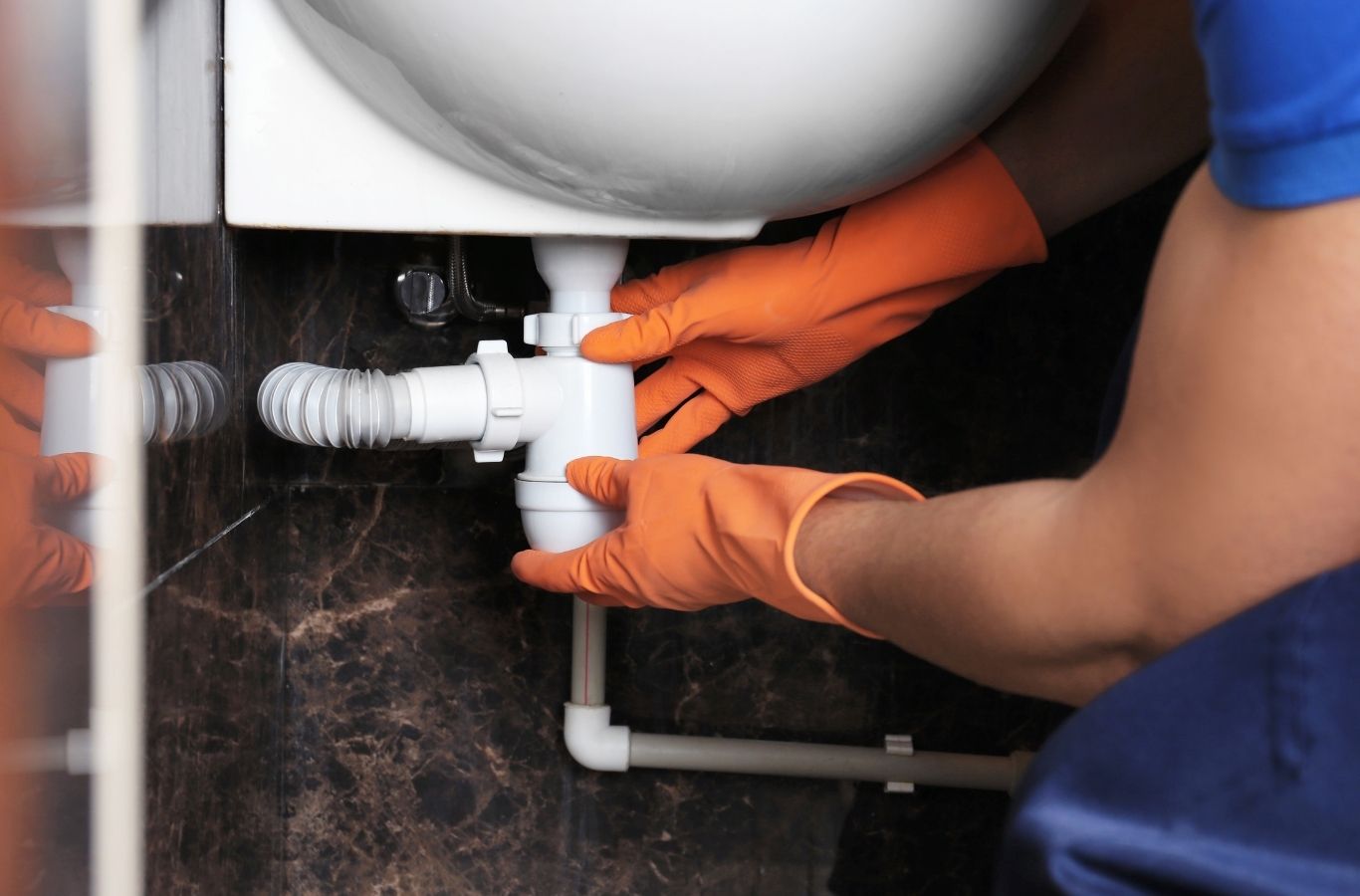
Fall is the best time to find small plumbing problems before Toronto’s freezing temperatures turn them into expensive winter emergencies.
A dripping outdoor faucet, poorly insulated pipe or sluggish basement drain may seem minor in October. Once temperatures drop, however, exposed water lines can freeze, weakened fittings can fail, and blocked drainage can contribute to water entering around the foundation.
We specifically advise homeowners in Toronto, Scarborough to disconnect outdoor hoses, shut off and drain exterior water supplies, insulate vulnerable pipes and seal cold-air leaks before winter.
Use this fall plumbing checklist to prepare the parts of your system most likely to cause trouble when cold weather arrives.
1. Inspect Faucets, Fixtures and Visible Plumbing for Leaks
Start with a simple walk-through of the house.
Check beneath kitchen and bathroom sinks, around toilets, behind accessible appliances and anywhere exposed plumbing runs through the basement.
Look for:
- dripping shutoff valves;
- water stains;
- green or white mineral deposits;
- corrosion around fittings;
- damp cabinetry;
- rust around water-heater connections;
- unexplained moisture near pipes.
A slow leak can worsen when pipes contract and expand through winter temperature changes. Repairing it during fall also gives you a chance to identify aging valves or supply lines before they fail while the weather is at its coldest.
Pro Tip
Don’t only look for water. Mineral deposits around a fitting are often evidence that a small leak has been evaporating before you notice a puddle.
2. Find and Test Your Main Water Shutoff Valve
Every homeowner should know exactly how to stop the home’s water supply.
Toronto specifically recommends knowing the location of the main shutoff in case a frozen pipe bursts. City of Toronto
The valve is commonly located in the basement near the point where the water-service pipe enters through the foundation.
Make sure it is:
easy to reach;
clearly identifiable;
not buried behind storage;
and capable of closing properly.
Do not wait until a pipe bursts in January to discover that the valve is seized.
3. Disconnect Garden Hoses Before the First Frost
One of the simplest fall jobs is also one of the most important.
Remove every garden hose from exterior faucets.
Water trapped between a hose and faucet can freeze, expand and damage the hose bib or piping inside the wall.
The City of Toronto recommends disconnecting hoses, shutting off the indoor valve supplying the outdoor faucet and allowing the outside tap to drain before freezing weather begins.
If your home has older non-frost-free hose bibs, this step is especially important.
4. Winterize Exterior Faucets and Outdoor Plumbing
After removing hoses:
close the indoor isolation valve for the exterior faucet;
open the outside tap;
allow residual water to drain;
and leave the system configured according to the type of valve installed.
Also inspect irrigation lines, outdoor kitchens, detached garages and any other plumbing exposed to outdoor temperatures.
A frost-free faucet can reduce freezing risk, but it still needs to be installed with the proper slope and cannot drain correctly if a hose remains attached.
5. Insulate Pipes in Freeze-Risk Areas
Not every water pipe inside your house experiences the same temperature.
identify pipes near outside walls, crawl spaces, attics and garages as particularly vulnerable to freezing and recommends protecting them with pipe insulation.
Pay close attention to pipes:
near foundation walls;
inside unfinished basements;
above garage ceilings;
inside exterior-wall cabinets;
near drafty windows;
and around the water meter.
Foam pipe sleeves are inexpensive and can significantly reduce heat loss.
Insulation, however, does not create heat. If a plumbing space becomes extremely cold, air sealing and adequate heating may also be required.
6. Seal Cold-Air Leaks Around Plumbing Penetrations
A pipe does not need to be outdoors to freeze.
Cold air entering through gaps around utility penetrations, windows, dryer vents and foundation openings can create a small freezing zone around otherwise heated plumbing.
Toronto recommends sealing air leaks around windows, doors, electrical wiring, vents and pipes as part of frozen-pipe prevention.
Inspect areas where:
water pipes enter the house;
hose bibs penetrate exterior walls;
dryer or exhaust vents pass outside;
and plumbing passes through unfinished framing.
A small draft directly against a copper pipe can matter more than the thermostat setting several rooms away.
7. Check Drains Before Holiday and Winter Use Increases
Fall is an excellent time to deal with slow drains.
Kitchen drains often see heavier loads during Thanksgiving and the holiday season, while basement drains become increasingly important when snow and ice begin melting.
Watch for:
slow drainage;
recurring odours;
water backing up into another fixture;
or frequent plunging.
These symptoms can indicate buildup inside a branch drain or a larger sewer-line restriction.
A drain that is merely slow in September can become an inconvenient backup when your home is full of guests in December.
8. Inspect Toilets for Silent Leaks
A toilet can waste water without making much noise.
Add a few drops of food colouring to the tank and leave the toilet unused for approximately 15–20 minutes. If coloured water appears in the bowl, the flapper or flush valve may not be sealing properly.
Also check:
the supply line;
shutoff valve;
tank bolts;
wax-seal area;
and the floor around the toilet.
Movement at the base of the toilet can indicate a loose flange or deteriorated seal that deserves attention before winter.
9. Test Your Sump Pump Before Fall Rain and Snowmelt
Toronto fall plumbing maintenance is not only about frozen pipes.
A functioning sump pump can be critical when autumn storms saturate the ground or when snow begins melting later in the season.
Pour enough water into the sump pit to raise the float and make sure the pump starts automatically.
Then verify that:
water is removed rapidly;
the float moves freely;
the check valve works;
the discharge line is unobstructed;
and water exits away from the foundation.
Toronto’s current home-plumbing assessment materials specifically include checking sump-pump performance, battery backup and flood-detection alarms as part of flood-risk evaluation. City of Toronto
10. Test the Sump-Pump Battery Backup
A sump pump that depends entirely on household electricity has an obvious vulnerability.
Severe fall and winter storms can produce both heavy water infiltration and power outages at the same time.
Test the backup pump independently.
Check the battery, charger, terminals and alarm. If the battery is several years old, determine whether it still provides adequate runtime rather than assuming it does.
This is also a good time to test high-water alarms or smart leak sensors near the sump pit.
11. Clear Eavestroughs, Downspouts and Nearby Drainage
Roof drainage is connected to plumbing risk because poorly managed stormwater ends up next to your foundation.
Toronto recommends clearing leaves and debris from eavestroughs and downspouts and keeping catch basins clear where it is safe to do so. City of Toronto
The City also states that disconnected downspouts should discharge onto a permeable surface approximately 1.8 metres (6 feet) from the foundation rather than into the sewer system. City of Toronto
Fall leaves can quickly block drainage, so this job is worth repeating after most trees have finished shedding.
12. Inspect Your Water Heater Before Winter Demand Peaks
Water heaters work harder once incoming water becomes colder and households spend more time indoors.
Check around the unit for:
rust;
water beneath the tank;
corroded connections;
unusual noises;
temperature fluctuations;
and evidence of leaking relief valves.
If you have a tank-style heater, annual professional service can also determine whether sediment accumulation is affecting efficiency or shortening the life of the appliance.
For tankless systems, fall is a sensible time to address scale buildup before winter hot-water demand rises.
13. Pay Special Attention to Older Toronto Plumbing
Older Toronto houses can contain a combination of plumbing materials accumulated through decades of renovations.
Galvanized steel, older copper lines and previous repairs may react differently to cold weather than newer PEX systems.
Signs worth investigating before winter include:
persistent low pressure;
rust-coloured water;
visible pipe corrosion;
frequent pinhole leaks;
and sections of pipe that repeatedly freeze.
Repeated winter problems are rarely something homeowners should simply accept. Toronto itself advises contacting a plumber when pipes are prone to freezing because an underlying issue may not be visible. City of Toronto
14. Prepare Your Plumbing for Extended Winter Absences
If you travel during winter, plumbing preparation becomes even more important.
Toronto advises keeping areas containing water pipes warm, especially around the water meter. For extended absences, homeowners can consider shutting off the main water supply and opening a basement cold-water tap to drain remaining water, while arranging for someone to check the property regularly.
Do not turn the home’s heat completely off.
Also consider whether your boiler, hydronic system, fire protection or other equipment requires a continuous water supply before shutting anything down.
Toronto Fall Plumbing Checklist 2026: Before the First Freeze
Use this as the quick version:
☐ Check faucets and visible pipes for leaks
☐ Locate and test the main shutoff valve
☐ Disconnect every garden hose
☐ Shut off and drain outdoor faucets
☐ Insulate vulnerable water pipes
☐ Seal drafts around plumbing penetrations
☐ Clear slow drains
☐ Test toilets for silent leaks
☐ Test the primary sump pump
☐ Test the sump-pump backup battery
☐ Check flood and leak alarms
☐ Clear gutters and downspouts
☐ Direct drainage away from the foundation
☐ Inspect the water heater
☐ Investigate recurring low pressure or corrosion
☐ Prepare the house before any extended winter absence
What Should You Do If a Pipe Freezes?
If a faucet suddenly stops producing water during very cold weather, a frozen pipe may be responsible.
Toronto recommends first knowing where your main shutoff is located. A frozen pipe can split, and the leak may only become apparent when the pipe begins thawing.
For accessible frozen plumbing, the City recommends warming the pipe or surrounding air gradually using methods such as a hair dryer, heating pad or warm towels.
Never use a torch, propane heater or other open flame to thaw plumbing. Toronto specifically warns that open-flame thawing creates a fire hazard.
After thawing, restore water slowly and inspect carefully for cracks and leaks.
If you cannot locate or safely thaw the frozen section, call a licensed plumber.
Frequently Asked Questions About Fall Plumbing Maintenance
When should I winterize my plumbing in Toronto?
Complete exterior plumbing winterization before the first sustained freezing temperatures. Garden hoses and outdoor faucets should be addressed early in fall rather than waiting for the first major cold snap. Toronto specifically recommends shutting down the outdoor water supply before the first frost.
What pipes are most likely to freeze?
Pipes near exterior walls, garages, crawl spaces, attics and other poorly heated areas are among the most vulnerable. Pipes near drafts or the water-service entry point can also freeze. City of Toronto
Should I leave outdoor faucets open during winter?
Where an exterior faucet has a dedicated indoor shutoff, the normal winterization process is to close that supply and drain the remaining water from the outside fixture. The correct configuration ultimately depends on the faucet and valve design.
Does pipe insulation completely prevent frozen pipes?
No. Insulation slows heat loss but cannot keep pipes warm indefinitely when the surrounding space becomes very cold. Air sealing and maintaining adequate indoor heat are equally important.
Should I have my drains professionally cleaned every fall?
Not necessarily. A healthy drain system does not require automatic annual cleaning. But recurring slow drains, backups, gurgling or sewer odours justify inspection before winter and holiday usage increases.
How often should a sump pump be tested?
Test it periodically and particularly before seasons associated with heavy rainfall or snowmelt. A fall test should include the float switch, discharge line, check valve and backup system.
What temperature should I worry about frozen pipes?
Risk depends on insulation, exposure and wind rather than one universal outdoor temperature. Toronto increases its frozen-pipe precautions during extreme cold and has specifically urged residents to act when nighttime temperatures fall below -10°C. City of Toronto
Why does my outdoor faucet freeze even when my house is warm?
The faucet and supply pipe may sit partly inside an exterior wall where insulation is poor and cold air can reach the pipe. A connected garden hose can also trap water and prevent the faucet from draining.
Make Fall Plumbing Maintenance an Annual Habit
The best winter plumbing repair is the one you never need.
A short fall inspection can uncover leaking valves, vulnerable outdoor pipes, sluggish drains, sump-pump problems and other issues while there is still time to correct them before Toronto experiences sustained freezing weather.
If you discover a pipe that repeatedly freezes, a failing shutoff valve, a slow sewer line or a sump pump that does not test correctly, Saving Plumbing can inspect and winterize the system before cold weather arrives.
Call Saving Plumbing Scarborough at +14162716745 to schedule fall plumbing maintenance in Toronto and the GTA.
You Might Also Like To Read
- When Should You Replace Your Water Heater in Toronto?
- How to Prevent Clogged Drains in Your Toronto Home
- How to Tell If a Pipe Has Burst: Signs & What to Do
- Why Do Drains Keep Clogging in a Scarborough Home
- How to Prepare Your Plumbing Before Leaving for Vacation
- Low Water Pressure in Your House? Toronto Causes & Fixes
